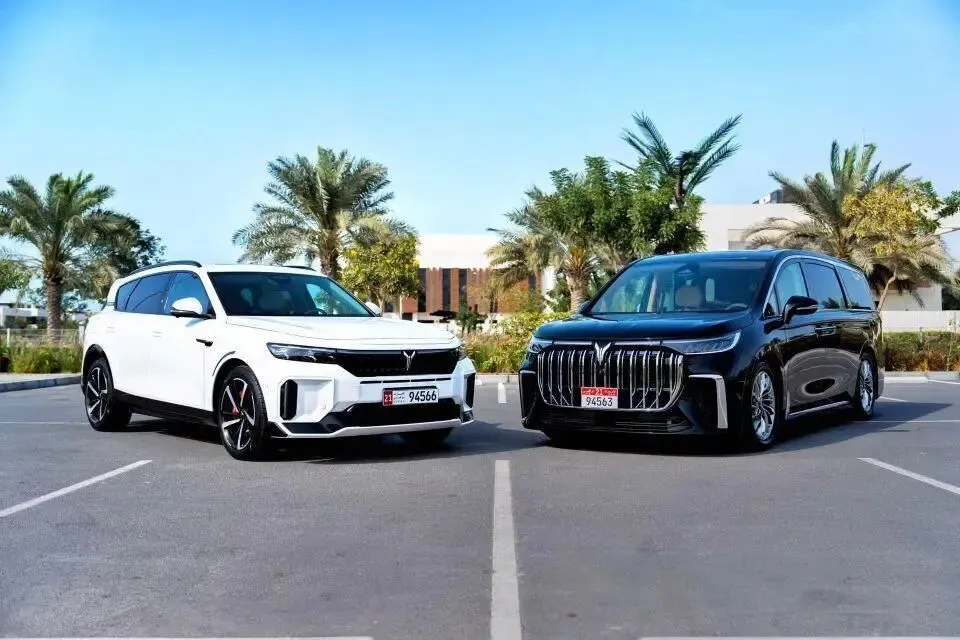
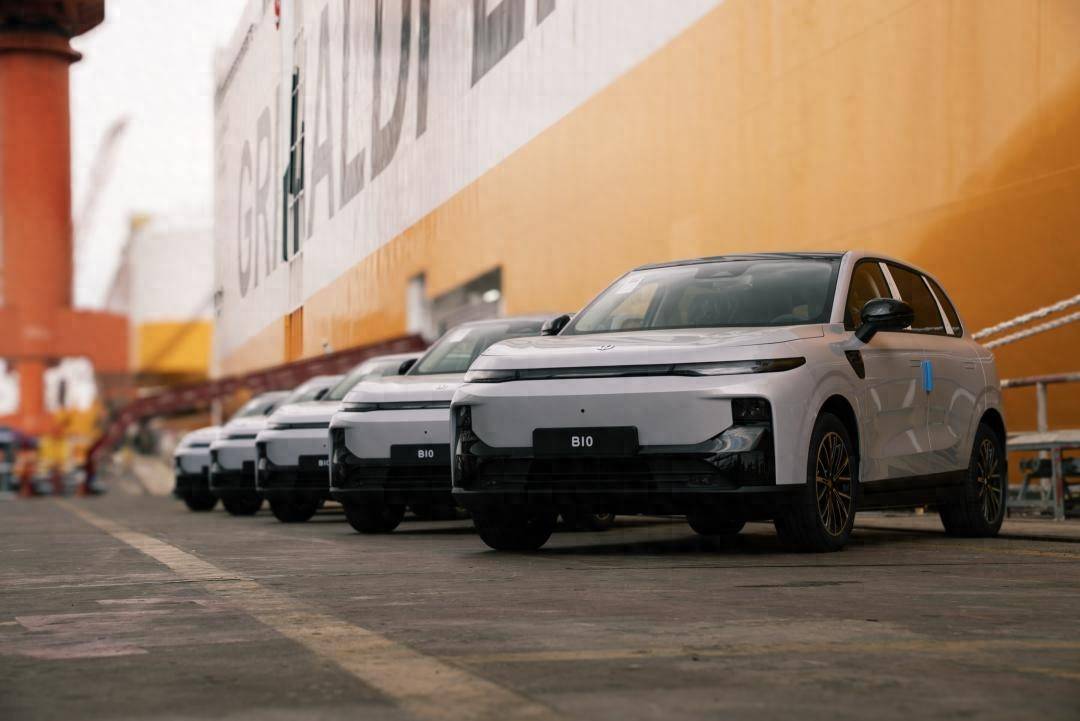
The most common mistake when opening a dealership or starting with Chinese cars is ordering to personal taste — or spreading the budget thinly across five or six models. The result is predictable: the good seller runs out and the slow ones block your cash. Selection is about combination, not quantity.
1. Keep the First Batch to Three Models
| Role | How to choose |
|---|---|
| Volume model | The mainstream segment and price point locally — it brings traffic and turnover |
| Margin model | High trim or a larger vehicle; higher gross per unit that carries overall profitability |
| Image model | A pickup, an off-roader or an EV — something that creates conversation and a reason to visit |
| Cost of going beyond three | Capital spread thin, more part numbers, muddled sales pitch, slow stock sitting for months |
Rule of thumb: get turnover working with two or three models, then add the second tier based on real sales data.
2. Choose the Direction by Market
- High fuel prices, congested cities: compact SUVs, hybrids and EVs first. Charging access decides everything — do not rush into pure EVs without home charging.
- Rough roads, long distances: SUVs and pickups. Check ground clearance, underbody protection, tank size and whether a real spare wheel is fitted.
- Family buyers: seven-seat MPVs and mid-size SUVs. Rear vents, third-row space and cooling performance are what close the sale.
- Commercial and fleet use: durable entry-level models. Cheap repairs and available parts matter far more than equipment.
3. Getting Quantities and Trims Right
- Colours: white and silver should make up sixty percent or more; keep dark colours small and mainly for display. Odd colours carry the highest dead-stock risk.
- Transmission: follow local habits. Too many manuals in an automatic-dominated market is unsold inventory.
- Trim split: mid trim about half, entry trim about a third, top trim the rest. Mid trim usually closes fastest.
- Order parts at the same time: a modest initial stock of consumables and common parts visibly improves your reputation after delivery.
Shunwei Auto tip: Before ordering, build a simple table comparing your three candidates: landed cost, local competitor pricing, estimated monthly sales and parts prices. Put the numbers side by side and the selection argument mostly disappears.
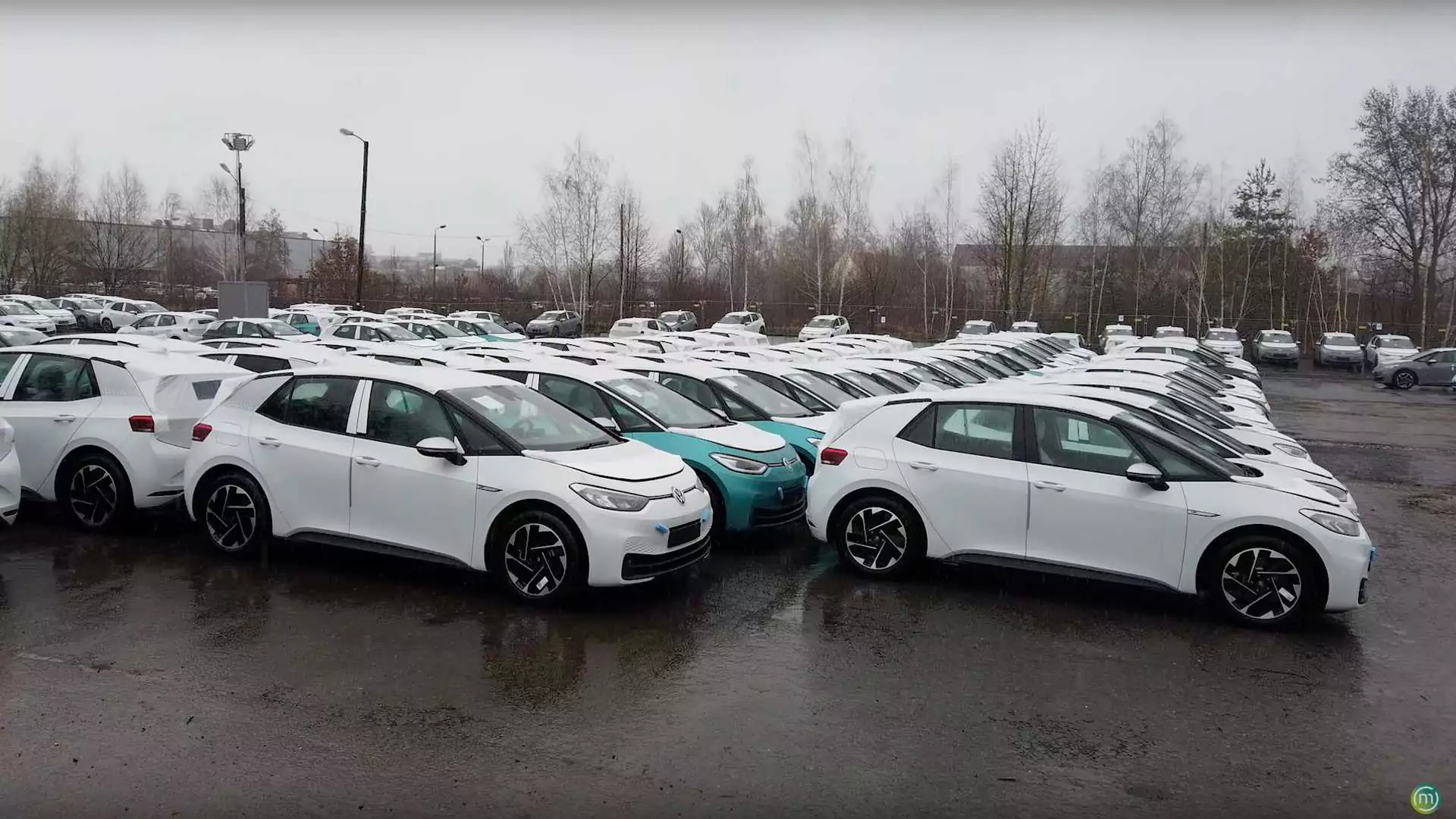
Note: Never increase an order just because the discount is attractive. A discount only changes your purchase cost; unsold cars tie up capital and showroom space, and that cost is far higher than the discount.
Related Posts