The same model sold overseas and in China is often not configured identically. Some changes are required by local regulations, some exist purely to cut cost, and some features simply do not travel. Getting a written difference list before you order prevents most of the disappointment — and the arguments — at delivery.
1. Seven Differences You Will Commonly See
| Item | How it usually changes |
|---|---|
| Emissions and certification calibration | Re-calibrated to your country's standard — a compliance change, nothing to worry about |
| Connected cockpit services | Domestic online services, voice assistant and app remote control are often removed |
| Air conditioning and thermal management | Tuned for local climate — stronger cooling for the Gulf, stronger heating and defrost for cold regions |
| Lighting and markings | Indicator colour, rear fog lamp and plate language adapted to local rules |
| Tyres and wheels | Brand and size frequently substituted; base versions may drop to smaller wheels |
| Interior materials and insulation | Some export versions delete soft-touch trim, sound insulation or rear vents — pure cost reduction |
| Tools and accessories | Spare wheel may become a repair kit; tool kit, mats and charging cables may not be included |
A simple test: changes made for compliance are acceptable; changes made to save cost are yours to accept or price back.
2. Three Documents to Demand Before Ordering
- An itemised export specification sheet: not a glossy brochure — a real configuration list with codes, marked to show what the domestic version has and the export version does not.
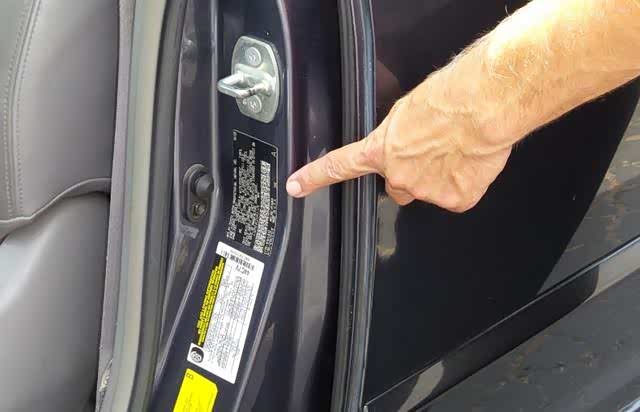
- Photos or video of an actual unit: interior, engine bay, tyre sidewalls, identification plate and tools. For a batch, inspect one unit thoroughly and photograph everything.
- A written difference letter: the supplier lists every item that is removed, substituted or added versus the domestic version, signed and attached to the contract. This document is gold at inspection and claim time.
3. Deletions That Should Raise a Flag
- Changed airbag count: the single most important item. Insist on the number and positions of airbags in the spec sheet — "multiple airbags" is not an answer.
- Missing stability control: not mandatory in every market, so cheap versions sometimes drop it. This directly affects safety on wet or loose surfaces.
- Spare wheel replaced by sealant: sealant is nearly useless on long routes or rough ground. If your roads are poor, insist on a real spare.
- Downgraded cooling capacity: the number one complaint in hot markets. State the cooling requirement, or demand hot-climate calibration, in the order.
Shunwei Auto tip: Turn the five features you care most about into hard order conditions — for example "must include rear air vents, full-size spare wheel, six airbags, stability control and a reversing camera". Only written conditions bind; verbal promises do not.
Note: Do not compare the domestic retail price directly with an export quotation. Export versions may delete equipment, but they may also add market-specific reinforcement such as uprated cooling, underbody protection or heat-resistant batteries. Read the list before judging the price.
Related Posts