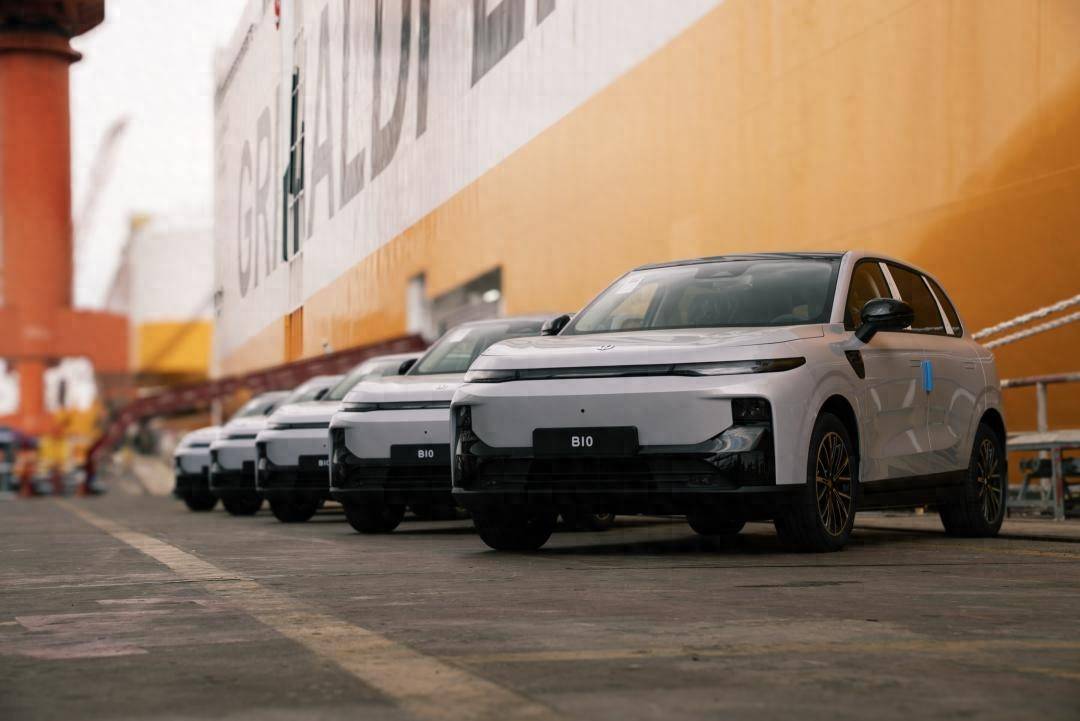
The most common mistake first-time importers make is going big on order one. The safer route is a small trial batch that runs the whole chain — from quotation to registration — once, before you scale. Here is how to structure that trial.
1. Seven Stages Your Trial Must Cover
| Stage | What you are testing |
|---|---|
| Quotation and configuration | Can they provide an itemised spec, and does the quote cover all costs |
| Inspection and photos | Will they show real vehicle condition before you pay |
| Payment and documents | Does the account match the contract, and do documents arrive complete and on time |
| Loading and transit | Is the sailing reliable, and can you verify the B/L yourself |
| Destination clearance | Do the documents clear first time — this is where most problems appear |
| Registration and compliance | Can the cars actually be registered, or are there hidden modifications |
| After-sales response | How fast do they reply when something goes wrong, and will they supply parts |
The point of a trial is not to save money — it is to learn the supplier's real capability and the hidden costs of the chain at the lowest possible price.
2. How Many Units Is Right
- One or two units: good for a first feel. Cost is limited but per-unit freight is high — consolidate with other cargo where possible.
- Three to five units: close to an economical container or RoRo slot; per-unit cost drops clearly while risk stays manageable.
- Avoid more than one container on order one: if you picked the wrong model or trim, correcting a whole batch is very expensive. Prove it small, then replenish to demand.
- Choose a volume model: do not trial an odd specification. Pick the colour and version that sells best locally so the cars can move even if plans change.
3. Four Traps in a Trial Order
- Skipping inspection to save freight: small orders are the ones most often treated as unimportant — and that is exactly where damaged or aged stock turns up.
- Ignoring destination port costs: terminal handling, agency and storage fees are often forgotten and can exceed ten percent of total cost. Ask what must be paid after arrival before signing.
- Signing their template unchanged: a trial still needs model, year, trim, latest shipment date and delay liability spelled out. Template contracts usually protect only the seller.
- Ordering cars but no parts: add a batch of consumables — filters, brake pads, wiper blades — and you test their parts supply early.
Shunwei Auto tip: Give the trial a clear exit test. When it is done you should be able to answer three questions: what is the true landed cost, how fast does this supplier respond, and can I sell this model in my market. Only then talk about order two.
Note: Do not accept full prepayment on a first deal. Even on a small order, pay in stages — deposit, then balance against a copy of the bill of lading — keeping exposure within a ratio you can absorb.
Related Posts