Southeast Asia is an ASEAN auto powerhouse with over 600 million people, now at the tipping point from combustion cars to EVs. Vietnam, Indonesia and Thailand together account for roughly 70% of regional sales. This guide maps the differences to help exporters plan their entry.
1. Key Differences Across the Three Markets
| Factor | Vietnam | Indonesia | Thailand |
|---|---|---|---|
| Drive side | Left-hand | Right-hand | Right-hand |
| Market profile | Fast growth, rising middle class | Largest in ASEAN | Regional manufacturing hub |
| Policy | Local assembly push | EV incentives + localization subsidies | EV production incentives |
| Certification | Local Vietnam approval | SNI / local type approval | TAISI (Thailand) |
| Popular models | Sedan, compact SUV | MPV, SUV | Pickup, SUV, EV |
2. Opportunities and Barriers
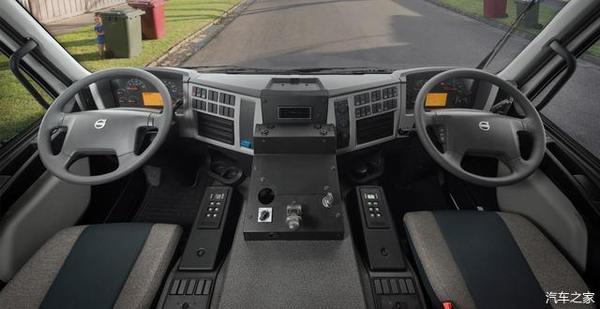
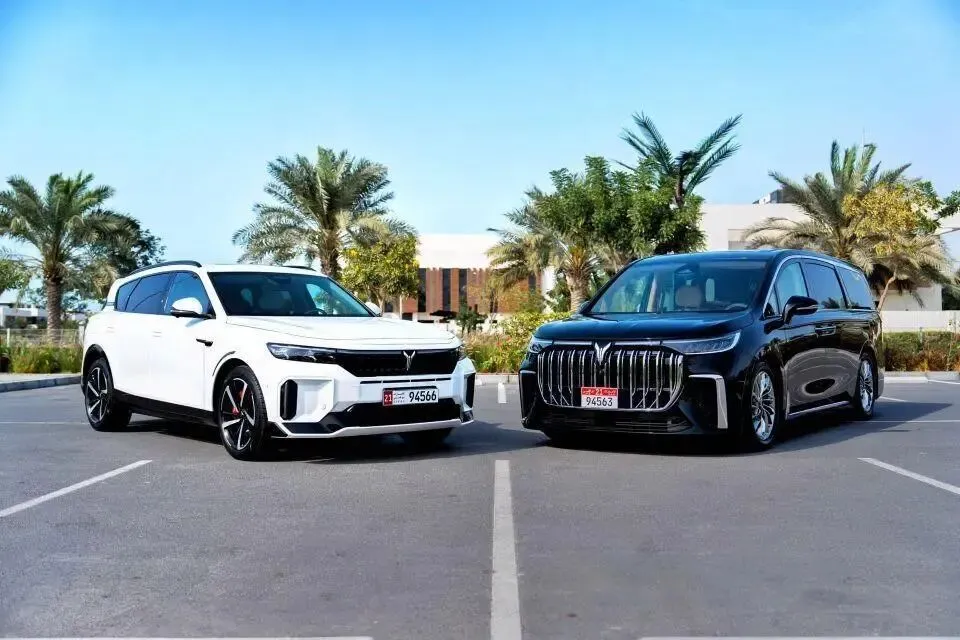
- Right-hand drive: Indonesia and Thailand are RHD markets; only some Chinese models offer RHD versions — lock in supply early.
- Tariff structure: CBU duties usually exceed parts duties; with ASEAN FTA favoring regional production, KD assembly often wins.
- EV window: Thailand and Indonesia offer purchase subsidies and production incentives — a historic opening for Chinese EVs.
3. Suggested Entry Paths
- Vietnam: LHD with no dominant local combustion player — good for CBU + agency trials; watch assembly policy changes.
- Thailand: Prioritize RHD EV CBU exports to capture subsidy windows; consider local assembly later to serve ASEAN.
- Indonesia: Localization expectations are clearest here — confirm RHD supply and local charging compatibility before bulk CBU.
Shunwei Auto tip: Before entering ASEAN, filter target countries with a three-item checklist — drive side, certification lead time, tariff — then concentrate resources on one market before expanding.
Note: Emission and scrappage rules vary widely across ASEAN; local RHD conversion costs more and carries higher compliance risk than factory-built — solve it at the source.
Related Posts