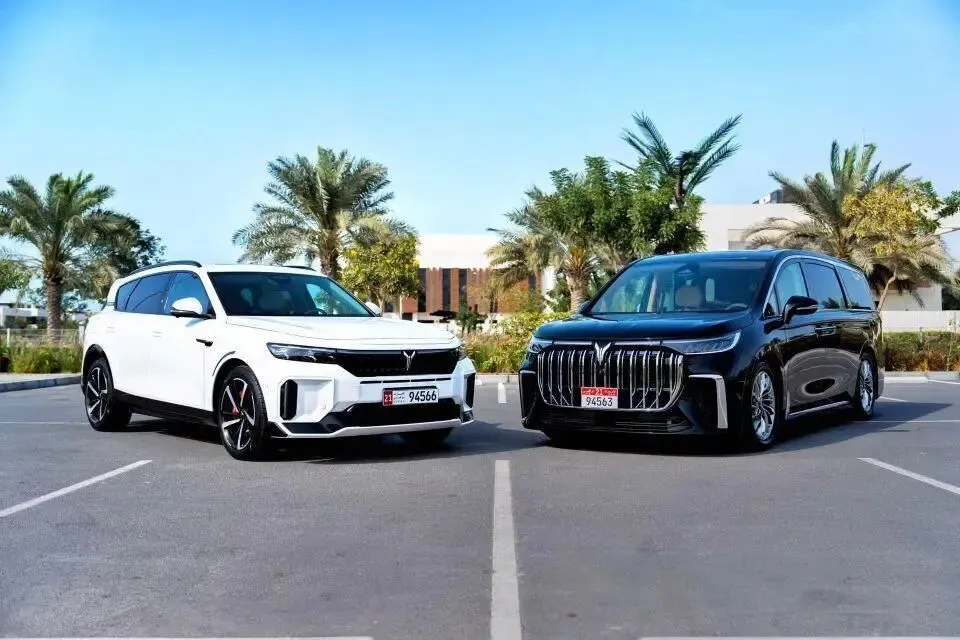
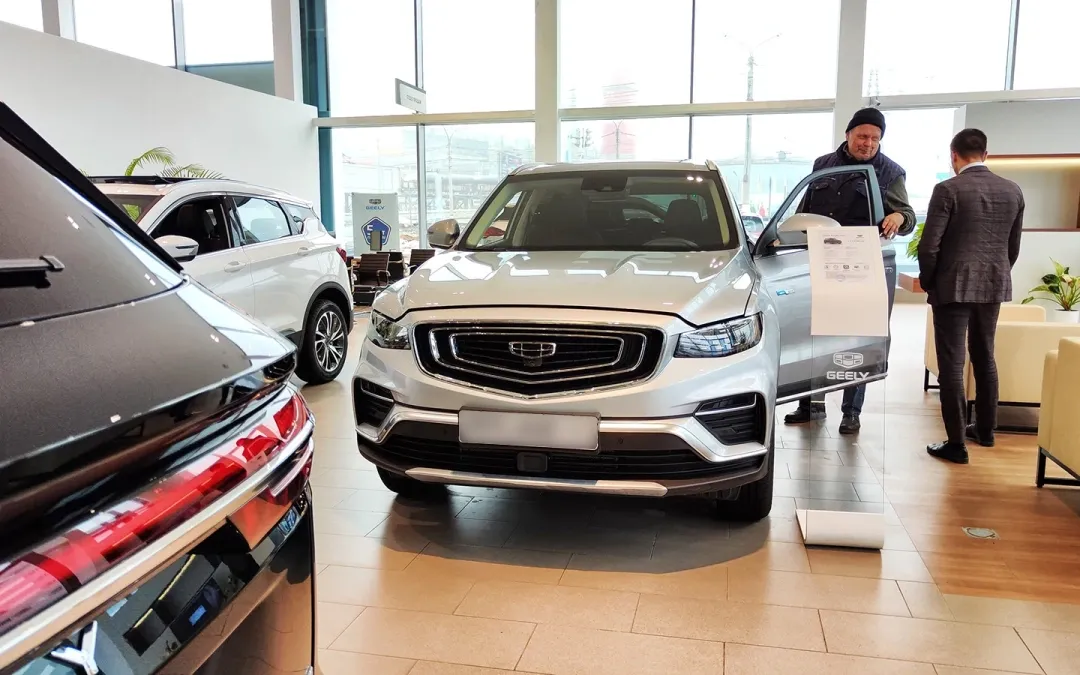
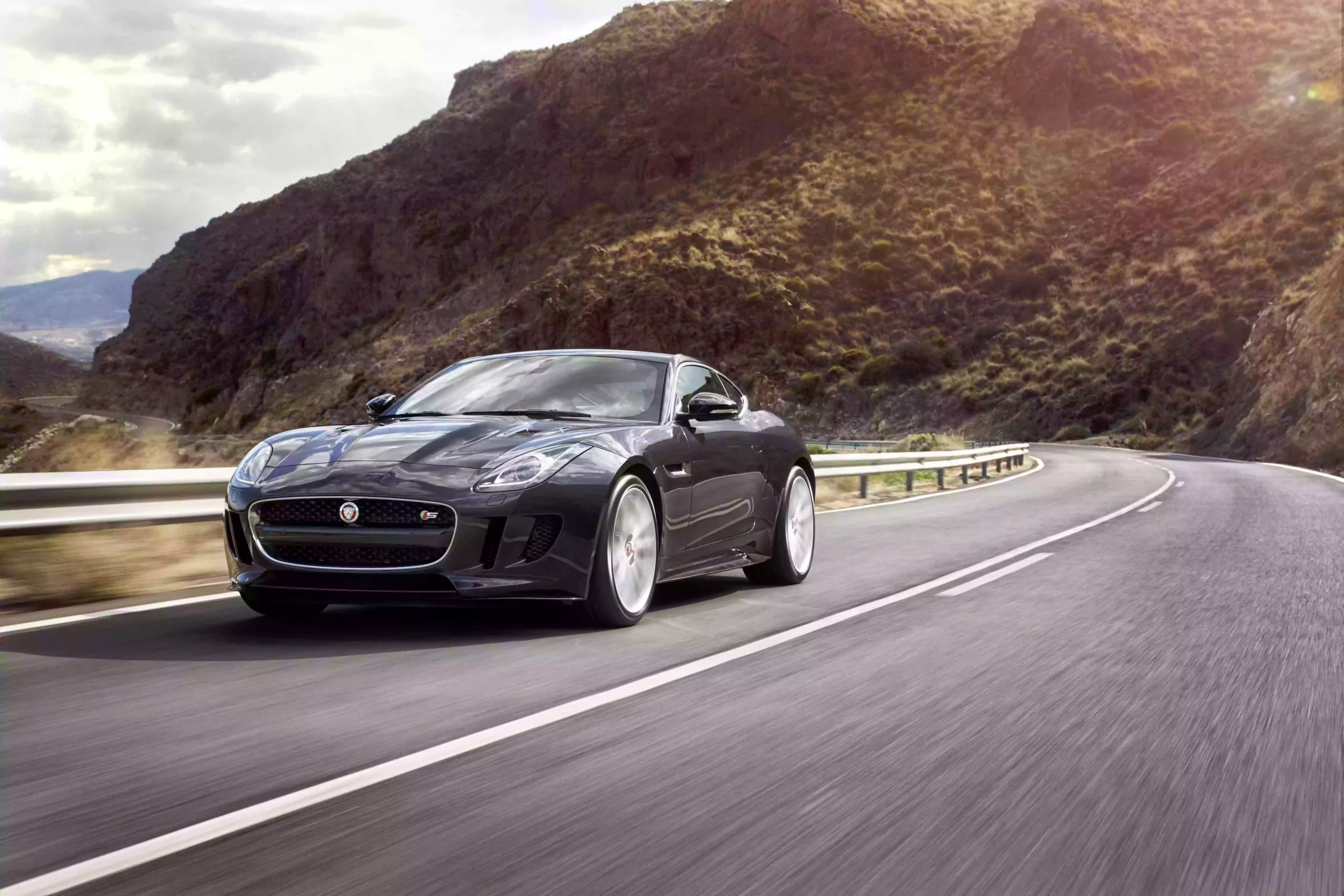
For the same model, a dozen optional items can push the price up by more than ten percent. Where you spend and where you save decides both the value and how easily the cars sell. Here is a buyer-side checklist.
1. Options Worth Paying For
| Option | Why it is worth it |
|---|---|
| Upgraded air-conditioning | Top priority in hot markets and impossible to retrofit |
| Rear air vents | Immediately felt by family buyers and easier to resell |
| Parking camera and sensors | Safety-related; treated as essential in most markets |
| Larger tank or long-range version | A key selling point where fuel stations are sparse |
2. Options You Can Skip
- Oversized wheels on top trims: attractive but tyres cost more and thin sidewalls bulge on poor roads — more complaints, not fewer.
- Panoramic sunroof: rarely used in hot or dusty markets, and it adds sealing and repair risks.
- Domestic online entertainment: unusable abroad, so paying for it is money lost.
- Heavy cosmetic packages: high unit cost, limited margin — better spent on practical equipment.
- Massage seats and similar luxury features: limited premium power with mainstream buyers, with real repair costs.
3. Choose by Your Market's Climate
- Hot and arid markets: prioritise cooling, heat-resistant batteries, dust sealing and tyre compound; sunroofs and needless electronics come last.
- Severe cold markets: prioritise seat heating, heater output, cold-climate batteries and defrosting — these decide your winter reputation.
- Dusty or rough-road markets: prioritise underbody protection, ground clearance and easy-clean interiors; avoid low-profile tyres.
Shunwei Auto tip: Before adding an option, ask: will my customers actually ask about this? An option customers neither see nor feel is pure wasted cost.
Note: Retrofitting electronics touches factory wiring, causes faults and can affect warranty. Order what you need up front — cheaper and simpler than modifying later.
Related Posts