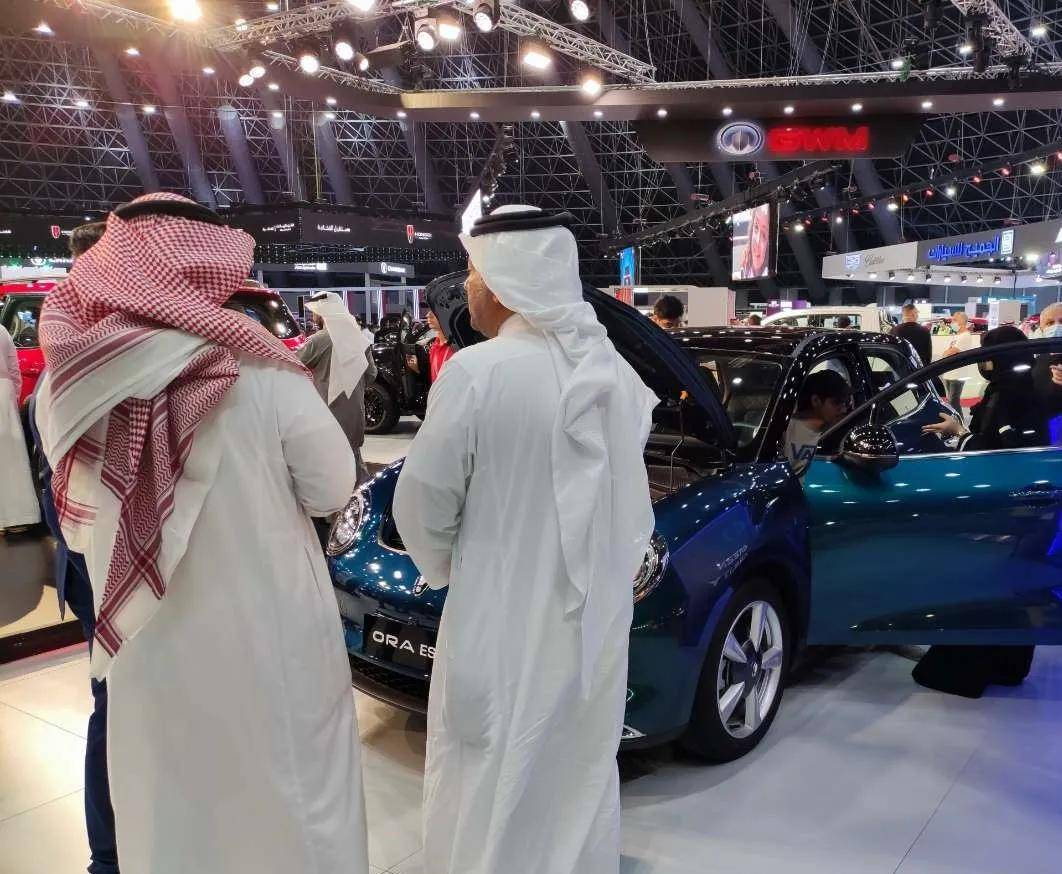
Latin America is another key battleground for Chinese auto exports after Southeast Asia. Brazil and Mexico together account for over half of regional sales, yet their policies differ sharply: one favors local production, the other is a springboard to North America. This guide analyzes opportunities and risks in both.
1. Brazil vs Mexico
| Factor | Brazil | Mexico |
|---|---|---|
| Market size | Largest in LatAm, ~2M units/yr | ~1.3M units/yr |
| Drive side | Left-hand | Left-hand |
| Policy | High tariffs + localization incentives | USMCA export springboard |
| Certification | INMETRO/CONTRAN | NOM (Mexico) |
| Chinese presence | Several building plants or JVs | Mostly CBU imports, rising friction |
2. Opportunities and Risks
- Brazil opportunity: EV adoption is climbing fast; local production earns tax breaks and reaches Mercosur neighbors.
- Mexico opportunity: Mature supply chain close to North America — a natural regional parts and KD hub.
- Trade barriers: Several LatAm countries have raised tariffs or quotas on Chinese EVs; CBU windows are narrowing, making localization almost mandatory.
3. Suggested Strategy
- Brazil: Validate with CBU trial orders, then evaluate JV assembly with local partners to capture localization benefits.
- Mexico: Watch trade policy closely; in the short term target niche/premium imports, plan KD in the mid term.
- Compliance pace: LatAm emission rules (e.g. Brazil PROCONVE) update often — allow 3-6 months for certification.
Shunwei Auto tip: Latin America is shifting from "trade markets" to "manufacturing markets". Factor localization costs into pricing models now to avoid being caught off guard by policy changes.
Risk note: LatAm currencies (real, peso) are volatile — quote in USD and hedge large orders to protect margins.
Related Posts