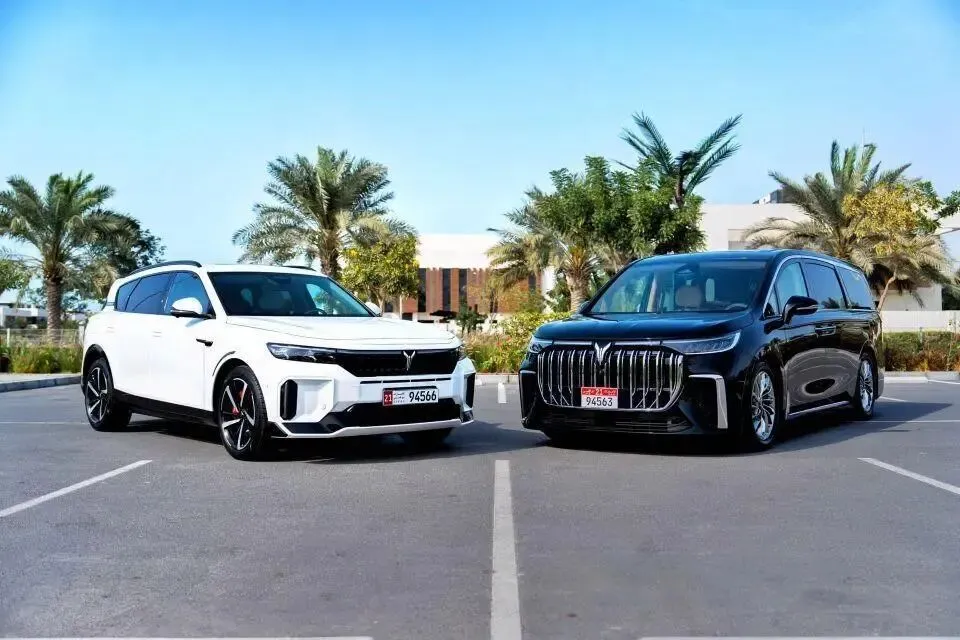
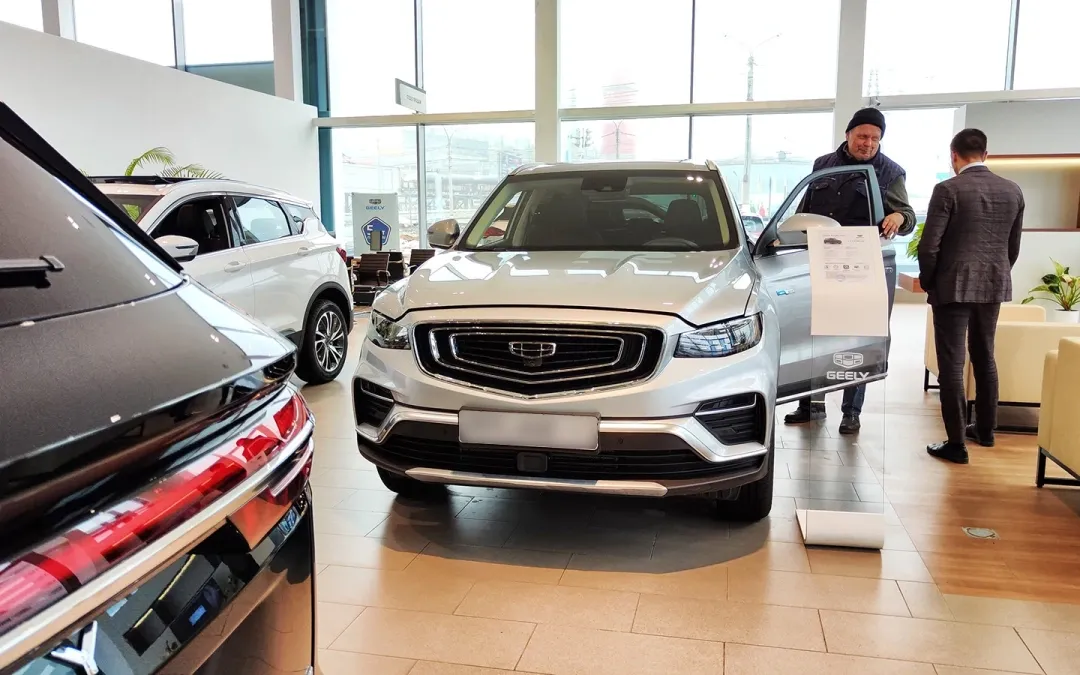
For overseas buyers, after-sales service influences purchase decisions more than price. Unclear warranties, hard-to-find parts and no repair network were the biggest reputation killers for early Chinese car exports. Here is how to build an export after-sales system.
1. Common Warranty Terms Compared
| Item | Vehicle | EV battery | Notes |
|---|---|---|---|
| Chinese brands overseas | 3yr/100k km | 8yr/150k km | Mainstream level |
| Japanese/Korean | 5yr/150k km | Varies | Some premium higher |
| European | 2-4 years | 8yr/160k km | EU law min. 2 years |
2. Three Pillars of After-Sales
- Parts supply: Set up overseas parts hubs covering wear and collision parts to cut lead times.
- Repair network: Sign authorized repair shops or partner with local chains; combine with mobile service vans.
- Remote diagnosis: Read fault codes via connected-car systems — diagnose first, dispatch second.
3. How Traders Can Participate
- Warranty handover: Clarify overseas warranty terms with the factory before export so buyers get equal coverage.
- Extended warranty: Offer paid extensions (1-2 years) — extra margin and trust.
- Parts first: Ship common parts kits with the first batch so parts arrive before demand.
Shunwei Auto tip: Prefer brands with existing service networks in the target market; for uncovered markets, sign repair agreements with local shops before bulk shipping.
Note: Put warranty terms in the sales contract with clear responsibilities (factory/trader/repairer) to avoid disputes hurting future orders.
Related Posts