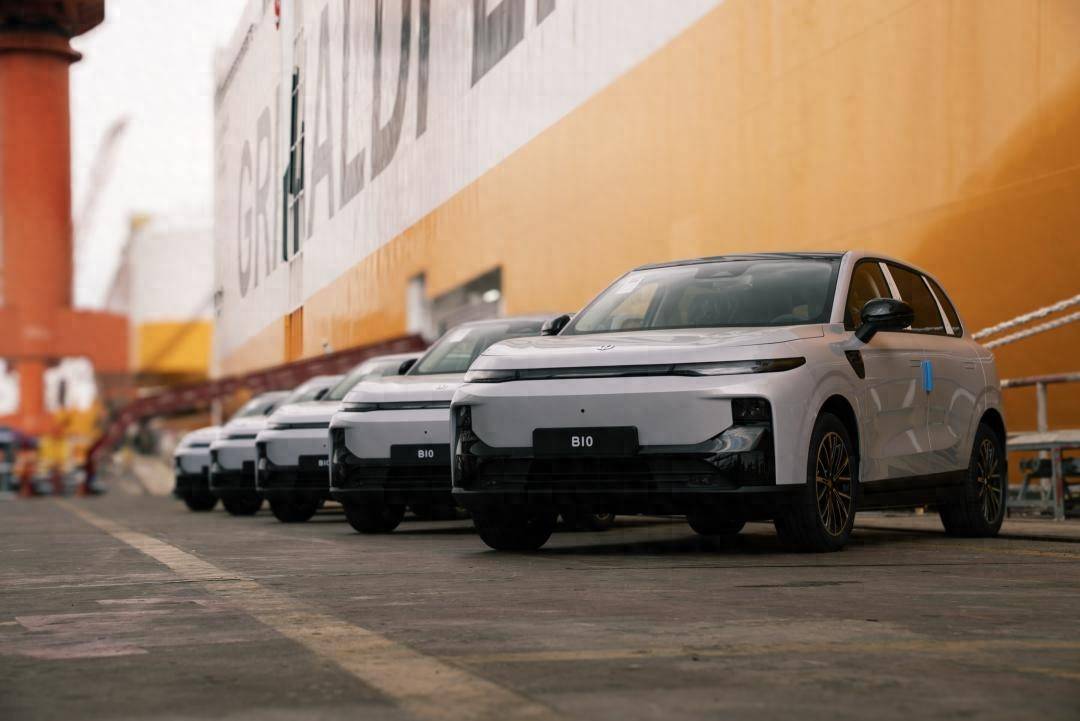
The Middle East is a key growth market for Chinese premium EVs and SUVs. The UAE and Saudi Arabia stand out as star destinations thanks to low tariffs and strong purchasing power. This analysis covers market characteristics, certification and channels.
1. UAE vs Saudi Arabia
| Factor | UAE | Saudi Arabia |
|---|---|---|
| Role | Re-export hub, luxury hub | Largest single market in GCC |
| Tariff | 5% import duty | 5% import duty |
| Certification | GCC | SASO + GCC |
| Preferred models | Luxury SUV, sports, premium EV | Large SUV, pickup, EV |
| Policy | Free zones, re-export ease | Vision 2030, localization incentives |
2. Opportunities and Challenges
- Opportunity 1: Gulf states accelerate EV transition; charging networks expand fast; Chinese EV brand awareness rises.
- Opportunity 2: Dubai's Jebel Ali Free Zone enables re-exports to the Middle East, Africa and South Asia.
- Challenge: Extreme heat demands robust batteries and AC; GCC certification takes time — plan ahead.
3. Market Entry Paths
- UAE: Partner with major local dealers or set up a showroom and parts hub in a free zone.
- Saudi: Watch Vision 2030 localization rules; consider joint assembly with local partners.
- Timing: GCC certification covers vehicle tests and factory audits — start 3-6 months early.
Shunwei Auto tip: Enter the Middle East with premium specs — strong A/C, sand-tuned chassis and luxury interiors — and build reputation through differentiated configuration.
Currency: The dirham and riyal are pegged to the USD, keeping FX risk low and settlement easy for long-term cooperation.
Related Posts