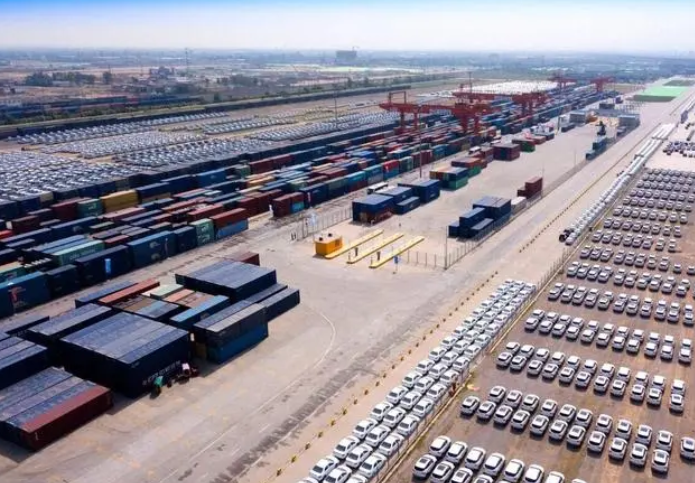
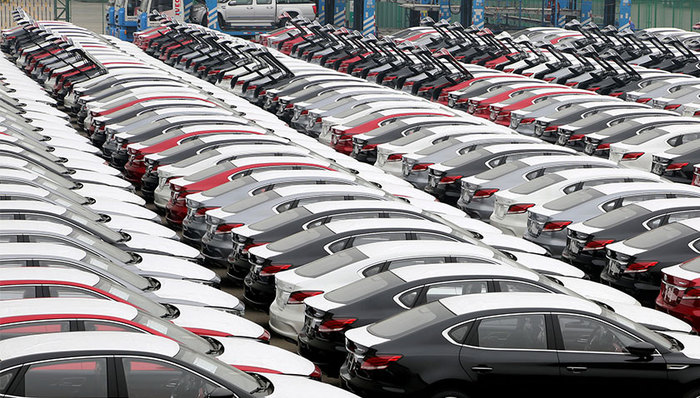
Incoterms 2020 define the boundary of costs, risks and documents between buyer and seller. Car exports involve high unit values and real cargo risk — the wrong term means extra costs at best and uninsured damage at worst. This guide helps you choose wisely among the common terms.
1. Four Common Terms Compared
| Term | Seller's duty ends | Freight/insurance | Best for |
|---|---|---|---|
| EXW Ex Works | Factory/warehouse | Buyer arranges all | Buyer pickup with local agent |
| FOB Free on Board | Risk shifts on loading | Freight & insurance by buyer | Sea transshipment, buyer's vessel |
| CIF Cost, Insurance, Freight | Destination port (risk on loading) | By seller | Trusted, repeat partners |
| DDP Delivered Duty Paid | Buyer's named place | All by seller (incl. duty) | Retail / small direct shipments |
2. Selection Points
- Buyers often mispick EXW: The price looks lowest, but overseas buyers arranging all logistics and clearance underestimate hidden costs.
- CIF is not "door to door": Insurance is minimum cover and risk shifts at loading — damage after discharge is still on the buyer.
- DDP is riskiest: The seller takes on destination clearance and duties; one policy change can wipe out the margin.
3. Recommended Combinations for Car Exports
- First order / new client: Use FOB or CIF for clear risk boundaries, each side controlling what it does best.
- Repeat bulk clients: Negotiate CIF plus add-on cover (e.g. Institute Cargo Clauses A) to keep transport control.
- Define delivery clearly: Whatever the term, specify the delivery point, what costs are included and the document list.
Shunwei Auto tip: With Russian and Central Asian buyers, a "cheap EXW + remote buyer operations" deal often leads to demurrage at the port — quote FOB or CIF and recommend a trusted forwarder.
Note: State "INCOTERMS 2020" in the contract with the full term name to avoid both sides reading the same abbreviation differently.
Related Posts