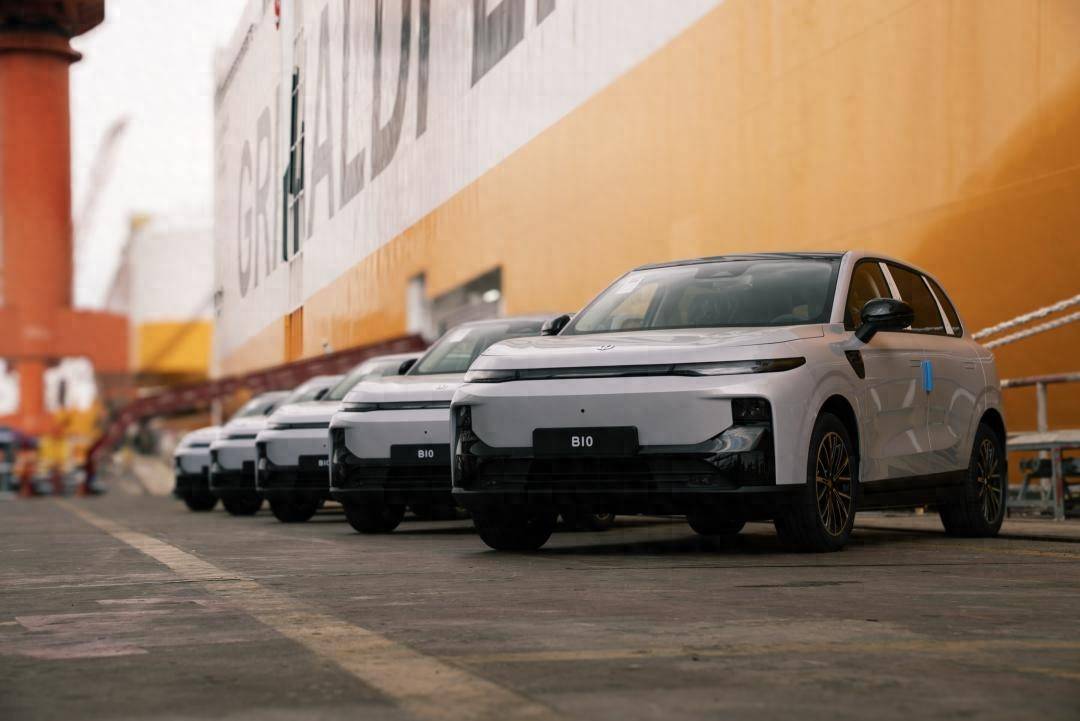
China's used-car export has moved from pilot programs to full rollout, attracting more traders. Margins are attractive, but the process is complex and compliance-heavy. This guide maps the full chain from license to delivery.
1. Export License (Step One)
- Company filing: Register with the Ministry of Commerce for used-car export qualification.
- Vehicle source: Cars must have clear ownership, no liens, and complete registration papers.
- Model rules: Both EVs and combustion cars can be exported, subject to destination-country rules.
2. Core Process at a Glance
| Step | Content | Typical Time |
|---|---|---|
| 1. License | MOFCOM filing, export permit | 1-2 weeks |
| 2. Inspection | Third-party inspection report | 2-3 days |
| 3. Transfer | Register to the exporter | 1-3 days |
| 4. Customs | Declaration, report, permit | 1-2 days |
| 5. Delivery | Sea/rail/road to destination | Depends |
3. Key Compliance Points
- Inspection standard: Export pre-check per national technical standards; report travels with the vehicle.
- Tax rebate: Eligible exports can claim VAT rebates — keep invoices and customs documents ready.
- Destination limits: Some countries cap used-car age (e.g. under 3-5 years) or emissions — research before sourcing.
Shunwei Auto tip: Popular exports include used electric SUVs and commercial vehicles. Commission a professional condition check before bulk buying to cut overseas complaints.
Risk warning: Never use fake plates or refurbished accident cars — customs checks are strict; violations mean fines or losing your license.
Related Posts