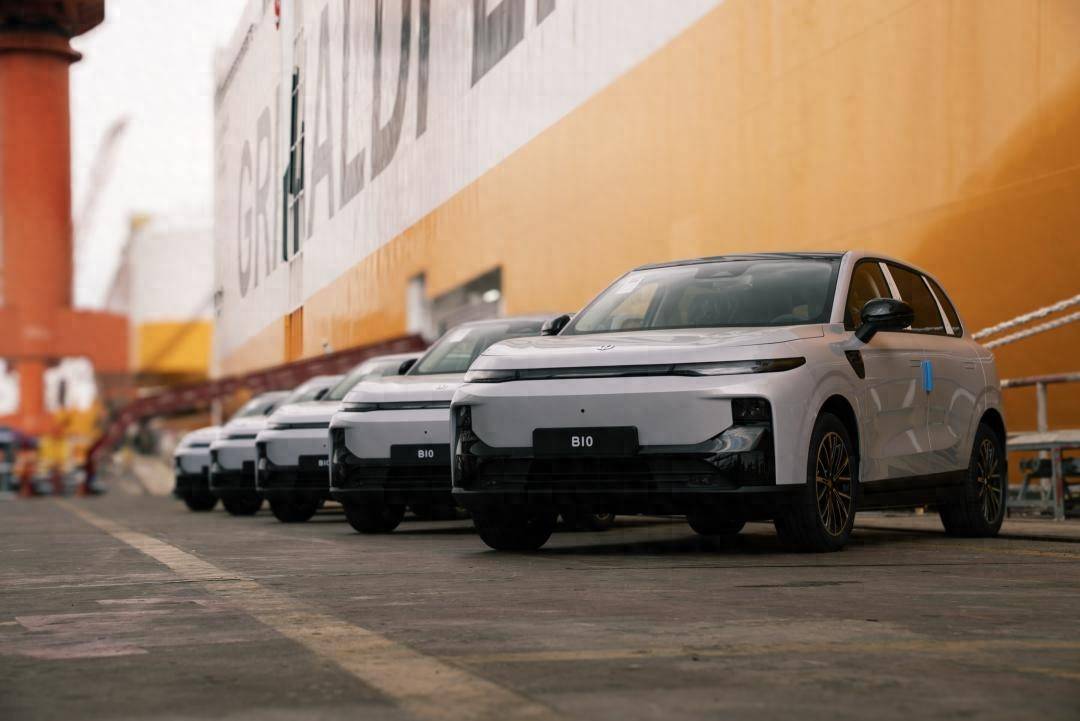
Central Asia is becoming one of the fastest-growing markets for Chinese car exports. Kazakhstan and Uzbekistan attract many Chinese automakers and traders thanks to their population, resource economies and open policies. This guide highlights the key points for exporters getting started.
1. Why Central Asia Matters
- Geographic proximity: Direct rail and road links mean short transit times and controllable costs.
- Matching demand: SUVs, pickups and EVs are well accepted; Chinese brands offer clear value.
- Policy tailwinds: Kazakhstan is a member of the Eurasian Economic Union (EAEU), extending access to Russia and Belarus.
2. Kazakhstan vs Uzbekistan
| Factor | Kazakhstan | Uzbekistan |
|---|---|---|
| Population | ~20 million | ~36 million |
| Import duty | Unified EAEU tariff | Higher, favoring local production |
| Certification | EAC (CU-TR) | Local certification |
| Popular models | SUV, pickup, EV | Sedan, SUV, EV |
| Main channels | Dealer networks in Almaty/Astana | Tashkent market + local assembly |
3. Practical Tips
- Kazakhstan: Use the EAC route so vehicles circulate freely across all five EAEU countries; check used-car age limits and emission rules.
- Uzbekistan: The government pushes local assembly; whole-vehicle tariffs are high, so KD kits or joint ventures pay off.
- Payment: RMB settlement is spreading across Central Asia; confirm L/C or T/T terms in advance.
Shunwei Auto tip: Start with a trial batch in Kazakhstan to leverage one EAC certificate across five countries, then expand to Uzbekistan and beyond.
Note: Emission standards (Euro 5/6) and cold-climate specs (low-temperature batteries, heating) are tightening every year — confirm current rules before selecting models.
Related Posts