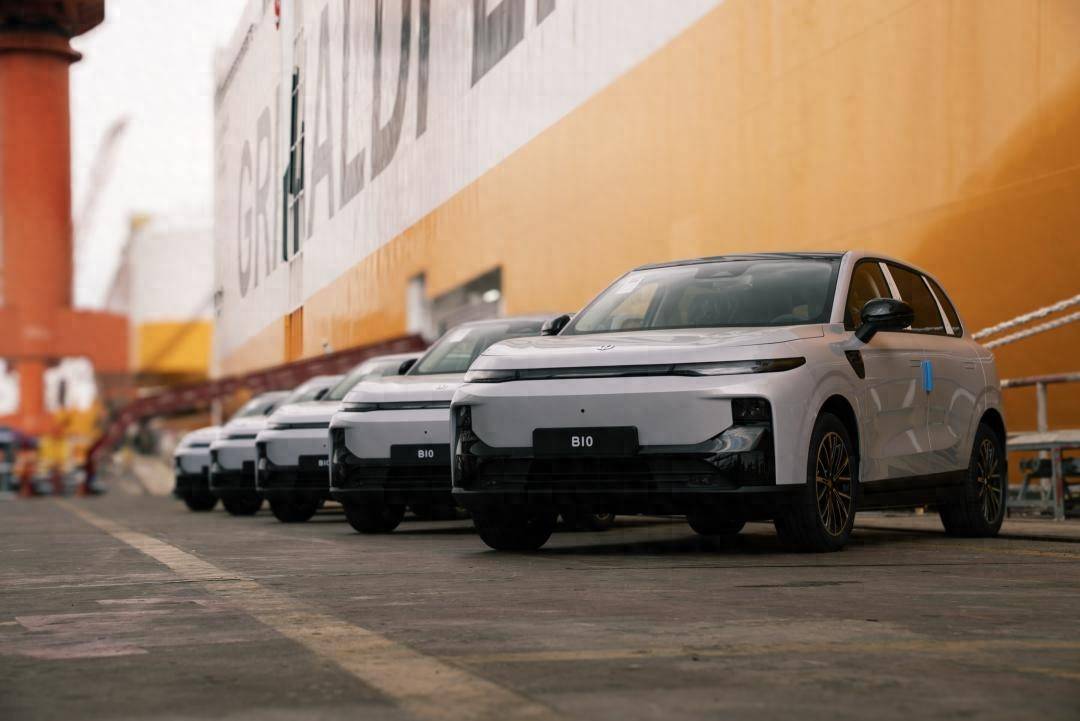
As trade barriers rise, Chinese automakers are shifting from pure vehicle exports to local production. Overseas factories, KD (knock-down) assembly and localized supply chains are reshaping the global footprint of Chinese cars — and for overseas buyers this means shorter delivery times and stronger after-sales support.
1. Three Localization Models
| Model | Investment | Local Content | Examples |
|---|---|---|---|
| Complete vehicle export | Low | 0% | Most new market entries |
| KD assembly | Medium | 30-50% | Kazakhstan, Egypt, Vietnam projects |
| Wholly-owned plant | High | 60%+ | Chery / GWM / BYD plants in Russia, Thailand, Brazil |
2. Regional Progress
- Russia: GWM's Tula plant produces Haval locally; Chery expands assembly through local partners; BYD is building out presence.
- Southeast Asia: Thailand is the EV investment hub — BYD, GWM, SAIC and Neta all have plants, serving RHD markets via ASEAN.
- Latin America: Brazil is back in focus with BYD's Camaçari plant and Chery/GWM lines to hedge tariff swings.
- Middle East & Central Asia: KD partnerships dominate, converting existing industrial bases into capacity at the best cost-benefit ratio.
3. What It Means for Buyers
- Stabler pricing: Local assembly hedges import tariff volatility, lowering quotation risk for wholesalers.
- Faster delivery: Delivery for volume models shrinks from 2-3 months of shipping to weeks.
- Better after-sales: Local production brings parts warehouses and training — shorter waits, lower parts prices.
Shunwei Auto view: Export and localization will coexist — new models and niche trims stay imported while volume models go local. A blended purchasing portfolio captures both price and variety. Updates at www.shunweiauto.com.
Related Posts