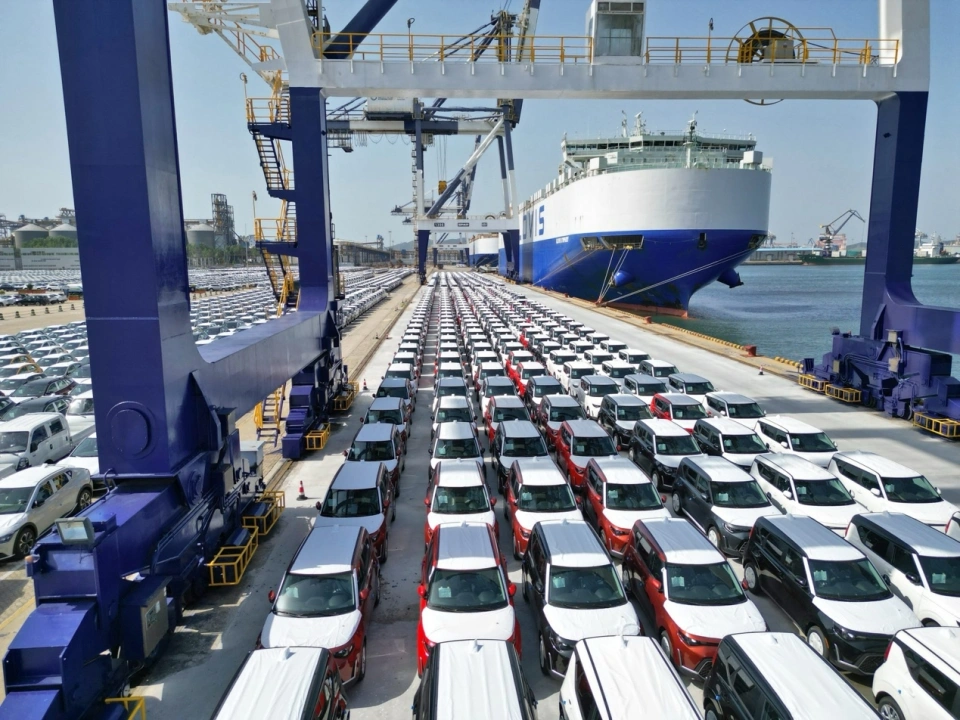
Since 2022 Russia has kept its car market supplied through legalized parallel imports, and many Chinese vehicles now enter via this route. But parallel import is not a free-for-all — product lists, certification and after-sales duties all have clear rules. This guide clarifies the framework.
1. What Parallel Import Means
| Aspect | Official channel | Parallel import |
|---|---|---|
| Authorization | Brand-official import | No brand consent needed |
| Product scope | Officially introduced models | Goods on the Ministry of Industry list |
| Certification | Full OTTS type approval | Simplified per-batch certification |
| After-sales | Factory warranty | Importer/seller's own responsibility |
2. Policy Highlights
- Dynamic list: The ministry updates the eligible-goods list regularly; cars and parts remain included, with model and emission conditions changing.
- Simplified certification: Per-batch vehicle safety approval is faster and cheaper than full OTTS — good for small and mid volumes.
- Warranty burden: No factory warranty applies; sellers need their own or third-party service solutions — the biggest long-term cost.
3. Advice for Exporters
- Complete documents: Prepare invoices, conformity certificates and inspection files for smooth Russian customs clearance.
- Honest disclosure: Tell Russian buyers the vehicle version (CN/EU spec) and warranty scope to prevent complaints and returns.
- Track policy: Watch new requirements on emissions (Euro 5+), encryption modules and smart systems before shipping.
Shunwei Auto tip: Parallel import suits a "mid-volume, high-turnover" play: enter fast via simplified certification while budgeting for after-sales to turn reputation into repeat business.
Warning: Russian emission and safety standards keep tightening. The old "ship first, certify later" playbook is high-risk — confirm current certification requirements before loading.
Related Posts