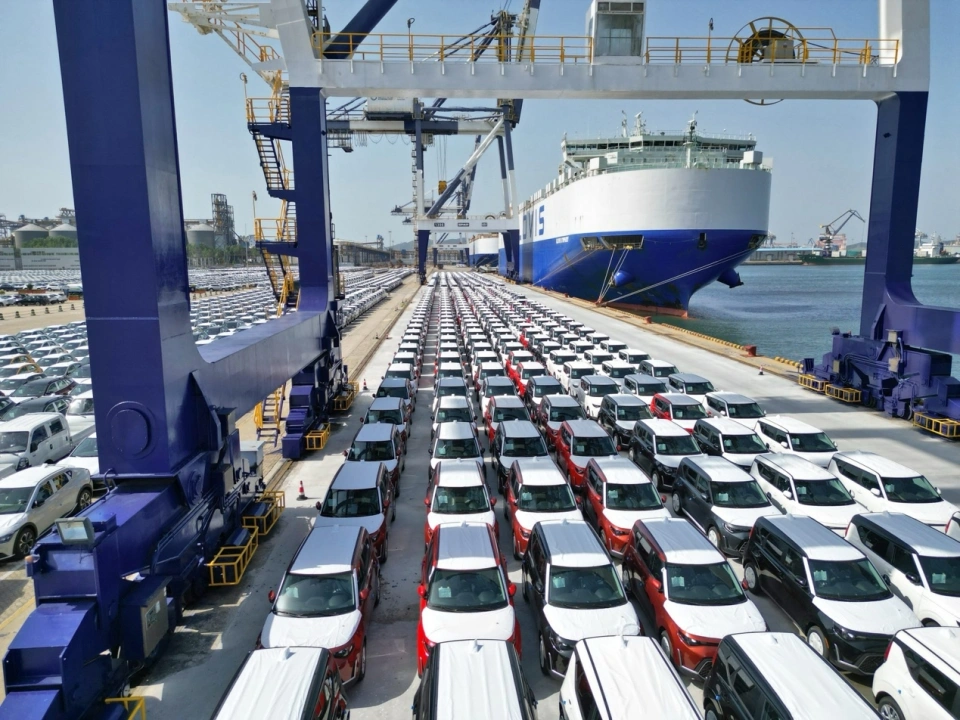
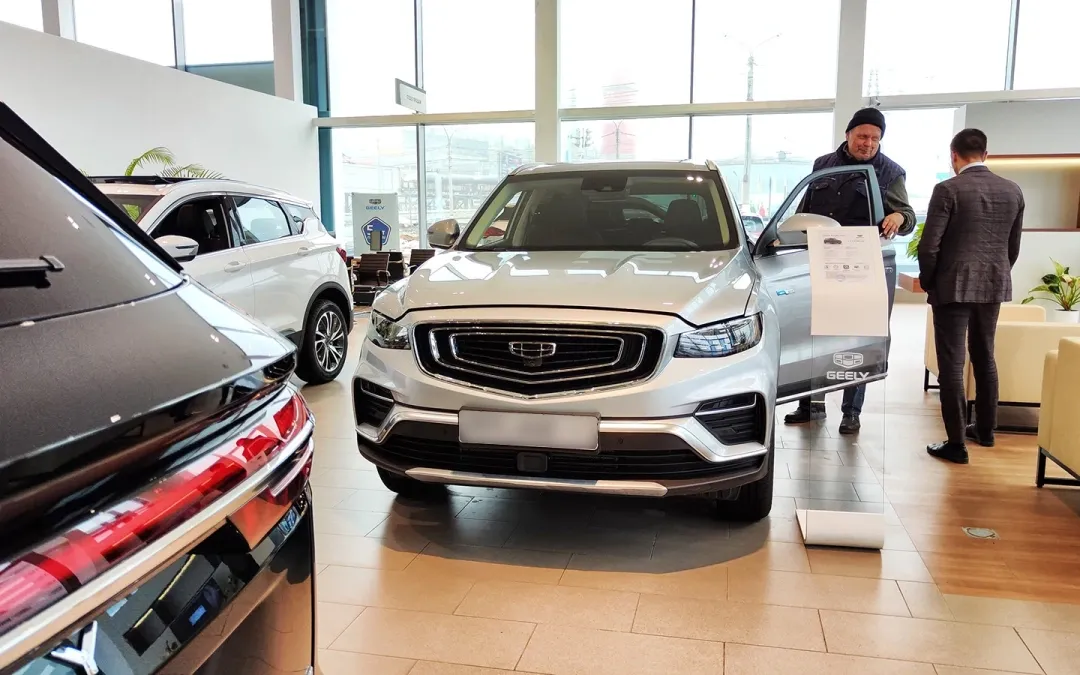
Cars are big-ticket purchases, and overseas buyers who want a car but can't pay in full upfront are the norm. Whether you can offer financing often decides if the deal closes — and how big it is. This guide maps the financing tools available to Chinese exporters.
1. Common Financing Models
| Model | How it works | Best for |
|---|---|---|
| Buyer credit | Chinese policy banks lend to overseas buyers | Major dealers, government fleets |
| Local auto loans | Buyer applies for a loan in the destination country | Retail end customers |
| Captive finance / leasing | Partner with local finance firms for installments | Scaled brand operations |
| Supply-chain finance | Credit insurance + receivables financing | Exporters' own cash flow |
2. What Financing Adds to Orders
- Higher close rates: "USD X per month" is far easier to decide on than a big total price.
- Bigger orders: With leverage, dealers typically lift per-order volumes by 30%+.
- Stickier clients: Bundling finance, insurance and after-sales markedly raises loyalty.
3. Risks and Implementation
- Credit risk: Insure buyer credit through export credit agencies covering default and political risk.
- Licensing: Lending or leasing in the destination country needs a local finance license — usually via licensed partners.
- Repossession: Agree upfront on GPS tracking, remote control and a local buy-back network for defaults.
Shunwei Auto tip: Small and mid exporters don't need their own finance arm — target markets with mature local auto lending (Kazakhstan, Russia) and let local banks handle financing while you focus on sourcing and delivery.
Note: When presenting financing, explain rate calculation and early-repayment rules in writing to avoid later interest disputes.
Related Posts