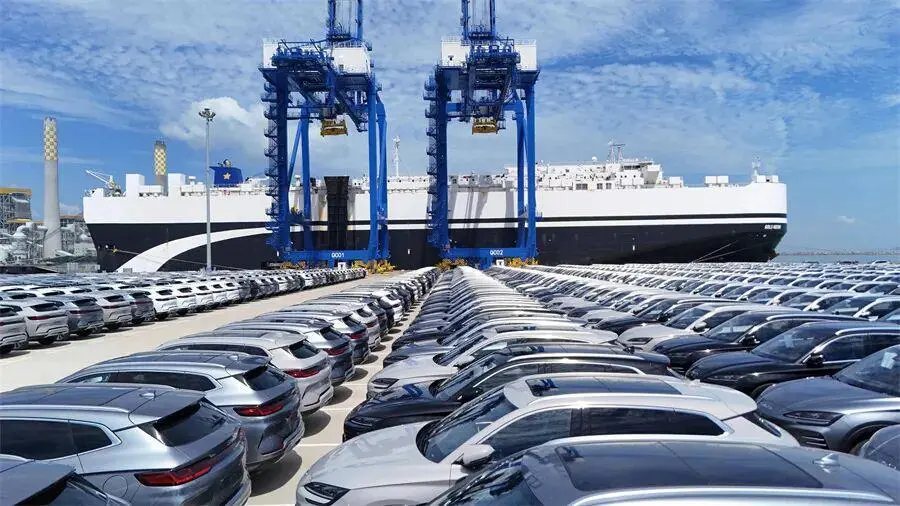
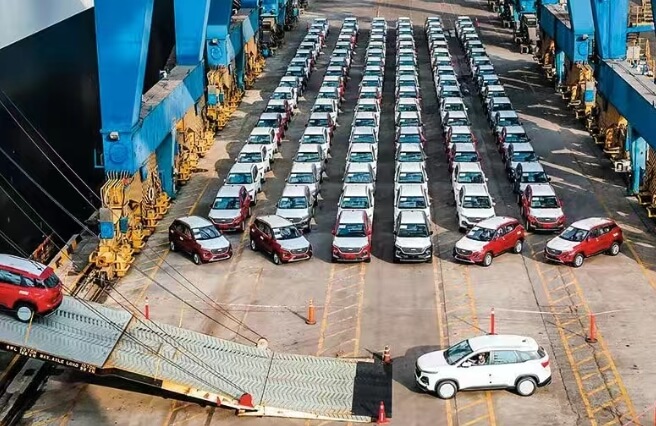
Most buyers pick a port on one criterion: which freight rate is cheapest. But freight is only part of the bill. Terminal charges, clearance efficiency, inland distance and storage risk together usually outweigh the difference in freight.
1. Five Cost Items in a Port Decision
| Item | How it hits total cost |
|---|---|
| Ocean freight | The most visible, yet usually a small share of landed cost |
| Port and terminal charges | Big ports cost more but move faster; small ports charge less and can be slow |
| Clearance and agency fees | Major ports have competing agents and standard processes; smaller ones offer little choice |
| Inland transport | Distance and road quality set the trucking bill — the most commonly forgotten item |
| Storage and demurrage | Daily charges escalate fast when a port is congested |
The right method: do not compare freight alone. Compare total door-to-door cost — port charges, clearance, inland transport and likely storage added together.
2. Four More Things to Check
- Whether it handles your shipping mode: far fewer ports take RoRo vessels than containers. If your cars move RoRo, your options narrow quickly.
- Sailing frequency and direct calls: direct services are stable and fast. Transhipment routes quote lower but every extra handling step raises damage and delay risk.
- Dedicated vehicle facilities: ports with RoRo berths, vehicle yards and trained operators show visibly lower damage rates.
- Recent congestion: ask local peers or agents about waiting and collection times. A congested port in high season can leave your cars sitting two or three extra weeks.
3. Choosing Between a Major and a Secondary Port
- Major port: more sailings, mature clearance, plenty of agents. Slightly dearer, but timing is predictable and someone can fix problems. Best for first orders and time-sensitive shipments.
- Secondary port: lower charges and closer to your market. Good where inland trucking from the major port is expensive — but confirm clearance capability and whether any agent there actually knows vehicle work.
- The hybrid approach: clear at the major port and truck inland, or avoid congested ports in peak season and return to the cheaper port off-season. Many established dealers do exactly this.
Shunwei Auto tip: Ask your supplier to quote landed total cost for two ports — the second option usually costs nothing extra to obtain. With two complete cost sheets, the decision becomes arithmetic rather than guesswork.
Note: Before using a port for the first time, confirm the local agent can handle vehicles and whether prior registration is required. Discovering at arrival that the agent does not know the process can cost several times more in storage than you saved on freight.
Related Posts