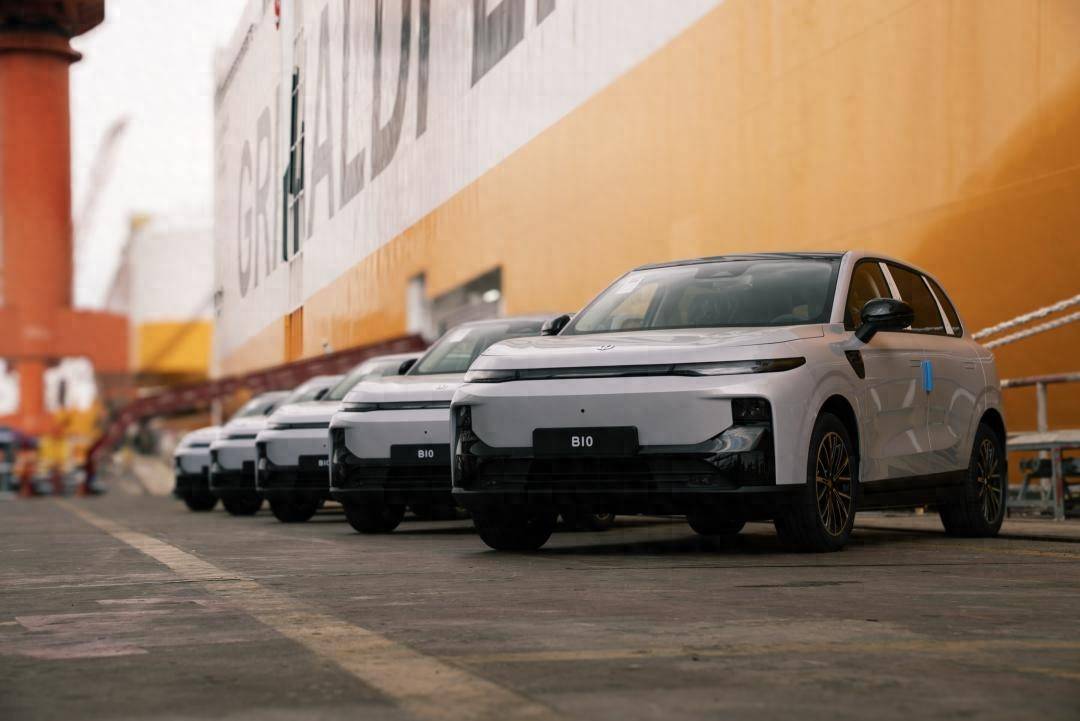
When importing cars from China, understanding destination country tariff policies and Chinese export regulations is equally important. In 2026, the global automotive trade policy environment continues to evolve, with countries constantly adjusting tariff barriers, certification requirements, and environmental standards. This article provides overseas buyers with a clear, practical compliance guide to help mitigate risks and reduce costs.
1. China's Auto Export Policy Framework
1. Export Qualification Requirements
China implements a qualification management system for auto exports. Since 2023, the Ministry of Commerce and General Administration of Customs have jointly implemented auto export license reforms, requiring export enterprises to possess:
- Auto export business qualification (registered with commerce authorities)
- Purchase contracts or authorization letters with manufacturers
- Production conformity certification for exported vehicles
- CCC certification copies
Shunwei Auto Note: Shunwei Auto has obtained complete auto export qualifications, providing overseas buyers with legally compliant export services, ensuring all export procedures are complete and valid.
2. Export Tax Rebate Policy
China implements a VAT rebate policy for auto exports, with rebate rates typically at 13%. This means VAT paid during the domestic phase can be refunded after export, reducing export costs. However, rebates require:
- Completion of export customs procedures
- Foreign exchange receipt confirmation
- Consistency between export invoice and customs declaration
The rebate benefit makes the FOB price of Chinese exported vehicles more competitive, and overseas buyers indirectly enjoy this policy dividend.
3. Special Regulations for Electric Vehicle Exports
From 2026, China has added the following requirements for EV exports:
- Battery transport safety certification: UN38.3 battery safety test report required for EV exports
- Hazardous goods transport documents: Large-capacity battery packs must be declared as Class 9 dangerous goods for sea freight
- Battery traceability information: Manufacturer, model, capacity, and other traceability data
2. Tariff Policies for Major Destination Markets
1. Russian Market
| Tax Item | Rate | Tax Base | Notes |
|---|---|---|---|
| Import Duty | 15% | CIF value | Some models qualify for EAEU preferential rates |
| VAT | 20% | (CIF + duty) × 1.015 | 1.5% is customs processing fee |
| Recycling Fee (Utilization) | 3,400-5,200 RUB | Fixed amount | Lower for personal imports, higher for commercial |
| Certification Fee | Varies by model | — | OTTS certification, valid 3 years |
Note: Since 2024, Russia has tightened controls on parallel imports of Chinese cars. We recommend importing through official channels to avoid customs clearance risks. Personal imports (limited to 1 vehicle/year) enjoy lower recycling fees, but commercial imports require complete OTTS certification.
2. Central Asian Markets
| Country | Import Duty | VAT | Special Incentives |
|---|---|---|---|
| Kazakhstan | 0%-15% (EAEU unified tariff) | 12% | No China-EAEU FTA |
| Uzbekistan | 0%-30% | 12% | EV import duty: 0% |
| Kyrgyzstan | 0%-15% | 12% | EAEU member |
| Tajikistan | 5%-20% | 15% | Non-EAEU, higher rates |
3. Middle East Markets
- UAE: GCC unified tariff 5%, VAT 5%. No special restrictions on Chinese car imports — the most open auto market in the Middle East.
- Saudi Arabia: GCC unified tariff 5%, VAT 15%. Requires SASO certification and Saber system registration.
- Iran: High tariffs (40%-90%), but EV reduction policies exist. Must import through authorized dealers.
4. African Markets
- Nigeria: Import duty 20% plus 70% additional levy (new vehicles only), resulting in high overall tax burden. Consider transshipment via West African free trade zones.
- Egypt: Tariffs 28%-135% (increasing by engine displacement), requires ACI pre-declaration and GOEIC certification.
- South Africa: Duty 18% plus 45% special duty (non-SA manufactured vehicles), requires SABS certification.
3. Certification and Compliance Requirements Checklist
| Destination Region | Core Certification | Validity | Key Test Items |
|---|---|---|---|
| Russia / EAEU | OTTS / EAC | 3 / 5 years | Safety, emissions, EMC |
| EU | WVTA | — | Safety, Euro 6 emissions, REACH |
| Middle East GCC | GCC Standard | 1 year | Safety, AC performance, high-temp adaptation |
| Southeast Asia ASEAN | Country-specific | Varies | Safety, emissions |
| Africa | Country-specific | Varies | Safety, emissions (mostly Euro 4 reference) |
4. Legal Strategies to Reduce Import Costs
- Leverage FTA Preferential Rates: China's FTAs with various countries/regions may offer tariff reductions. For example, the China-ASEAN FTA can reduce tariffs to 0% for certain models.
- Choose Trade Terms Wisely: Under different Incoterms (FOB, CIF, DDP), buyers and sellers bear different taxes and risks. Clarify with your supplier.
- Spread Certification Costs via Bulk Import: OTTS and similar certifications are typically charged per model (not per unit), so bulk importing the same model effectively amortizes certification costs.
- Monitor Destination Country Policy Windows: Some countries issue temporary tariff reduction policies (e.g., zero EV tariffs). Timely action can significantly reduce import costs.
- Use Free Trade Zone Transshipment: Some markets can be served via free trade ports or bonded zones to legally optimize tax structures.
5. Shunwei Auto's Compliance Support Services
Shunwei Auto provides overseas buyers with full-process compliance support:
- Export qualification document preparation and review
- Destination country certification application guidance and assistance
- Tariff optimization consulting
- Complete customs clearance document preparation
- Destination country local customs broker recommendations
Importing vehicles involves complex policies and regulations — a single oversight can lead to customs delays or even fines. Choosing an experienced partner is essential. Shunwei Auto has served clients from over 20 countries, accumulating rich cross-border compliance experience to safeguard your import business.
Related Posts