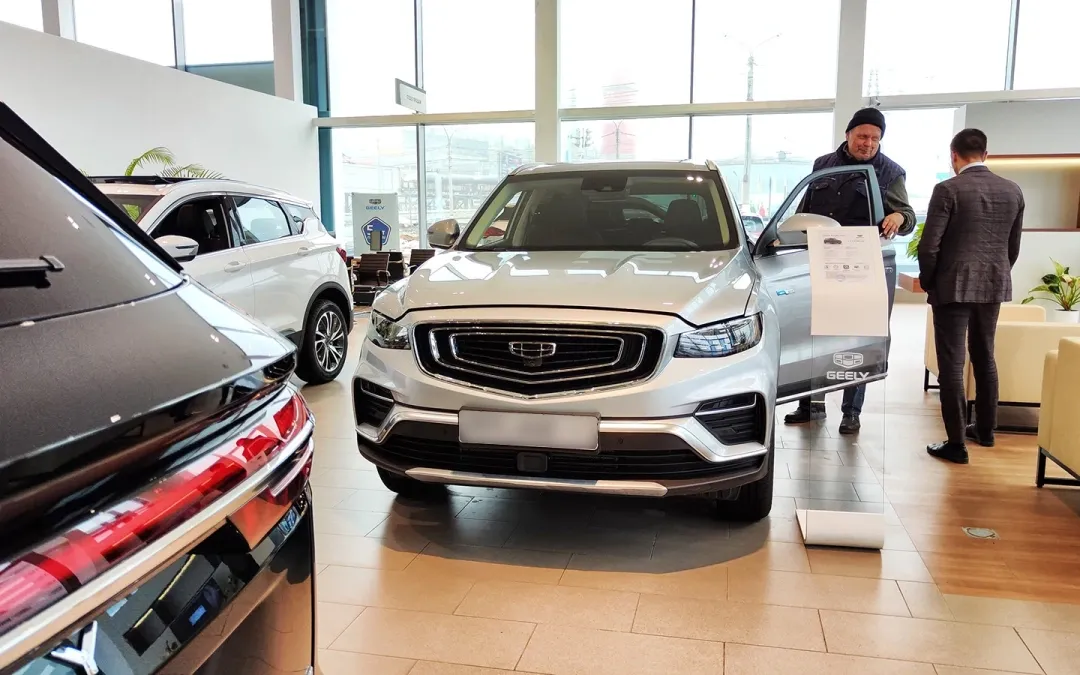
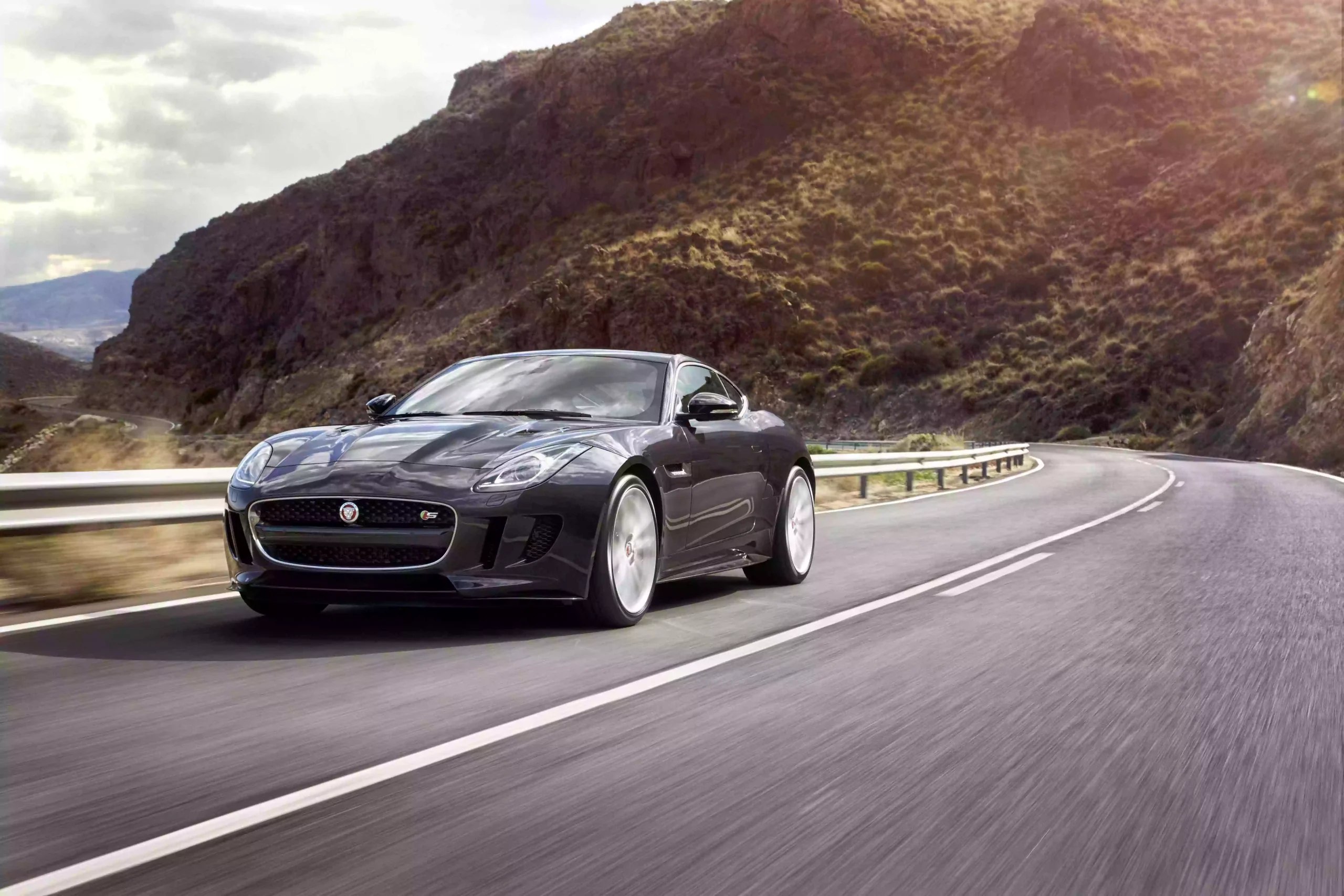
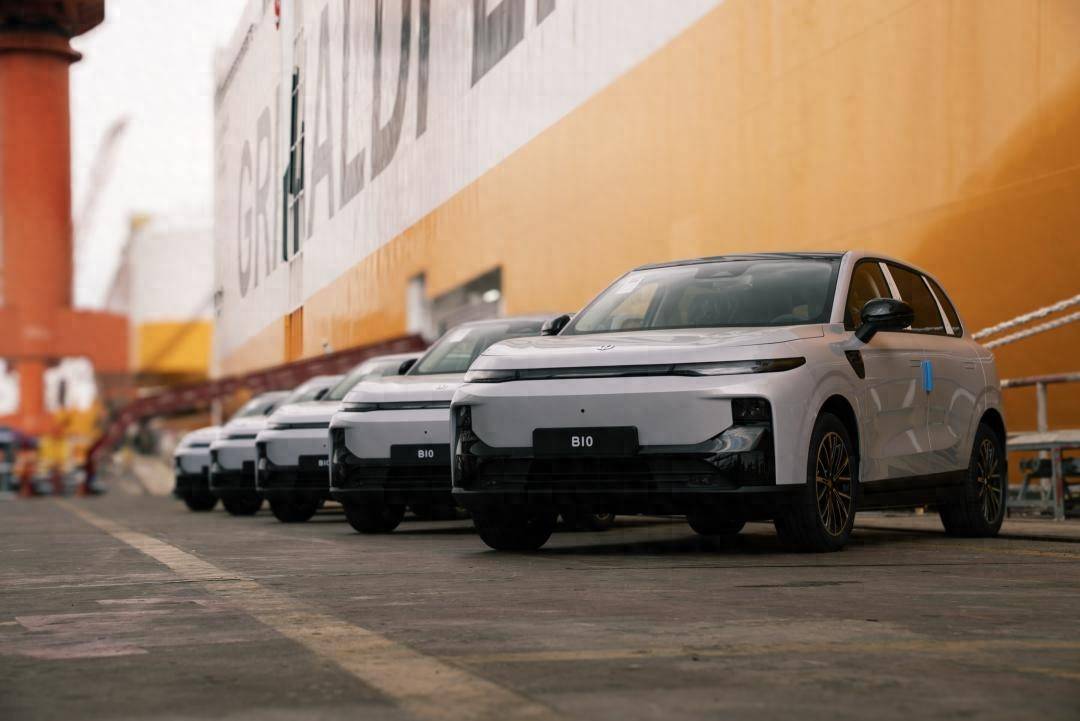
For a long time, Japanese and German automotive brands have dominated the global market thanks to their quality reliability and technological heritage. However, the market landscape in 2026 has undergone profound changes. Chinese automotive brands have transformed from "followers" to "challengers" in just a few years, demonstrating strong competitiveness in price, features, and intelligence. This article provides a comprehensive comparison of Chinese brands versus Japanese and German brands from multiple perspectives.
1. Price Comparison: The Overwhelming Advantage of Chinese Brands
Price is the Chinese brands' most lethal weapon. Here is a comparison across three market segments:
| Segment | Chinese Model | Chinese Price | Jap/Ger Model | Jap/Ger Price | Difference |
|---|---|---|---|---|---|
| Compact SUV | Chery Tiggo 7 | ¥79,900 | Toyota Frontlander | ¥128,800 | 38% lower |
| Mid-size SUV | Changan CS75 PLUS | ¥131,900 | Honda CR-V | ¥185,900 | 29% lower |
| Mid-size Sedan | Geely Monjaro | ¥120,000 | VW Magotan | ¥186,900 | 36% lower |
Chinese brands are typically 25%-40% cheaper than Japanese and German brands for equivalent models. Even after adding transportation and tariff costs, Chinese brands maintain a significant price advantage for overseas buyers.
2. Feature Comparison: Chinese Brands' "Standard = Top Trim"
Chinese automotive brands have adopted a "high features, low price" strategy. Many features that require additional payment or are only available on top trims in Japanese and German brands come as standard in Chinese brands:
| Feature | Chinese (same class) | Japanese (same class) | German (same class) |
|---|---|---|---|
| Large central screen (≥12") | Standard | Mid-high trim | Mid-high trim |
| Panoramic sunroof | Standard | Top trim | Optional |
| 360° surround-view camera | Standard | Top trim | Optional |
| Wireless charging | Standard | Top trim | Optional |
| L2 autonomous driving | Standard | Top trim | Top trim/Optional |
| OTA updates | Standard | Partial support | Partial support |
| Voice intelligent interaction | Standard (deeply integrated) | Basic version | Basic version |
2. Powertrain and Fuel Economy Comparison
In traditional gasoline powertrains, Japanese and German brands still hold certain advantages, particularly in long-term engine reliability and fuel efficiency. However, Chinese brands are rapidly closing the gap:
- Fuel Efficiency: Mainstream Chinese 1.5T engines have reduced fuel consumption to 6.5-7.5L/100km, narrowing the gap with Japanese competitors (6.0-7.0L/100km) to within 0.5L.
- Power Output: Chinese brands even lead in power figures. For example, the Changan CS75 PLUS 2.0T engine produces 171kW, compared to the Honda CR-V 1.5T's 142kW.
- New Energy Powertrains: In hybrid and pure electric domains, Chinese brands have taken a comprehensive lead. BYD's DM-i hybrid system achieves 4.2L/100km in depleted-battery mode, outperforming Toyota's THS system at 4.5L/100km.
4. Quality and Reliability Comparison
Quality reliability is the traditional strength of Japanese and German brands, and an area where Chinese brands need continued improvement:
| Dimension | Chinese | Japanese | German |
|---|---|---|---|
| Problems per 100 (PP100) | 180-220 | 140-160 | 160-190 |
| 3-year residual value | 50%-55% | 60%-65% | 55%-60% |
| Engine durability | Good | Excellent | Excellent |
| Electronic system stability | Good (improving) | Excellent | Good |
| Body corrosion protection | Good | Excellent | Excellent |
Chinese brands still lag behind Japanese and German brands in quality, but the gap is rapidly narrowing. New models from leading brands (such as Geely and Changan) have PP100 scores approaching Japanese levels.
5. Intelligence Comparison: The Generational Advantage of Chinese Brands
Intelligence is the area where Chinese brands have the greatest generational advantage. Chinese brands lead Japanese and German brands by approximately 2-3 years in smart cockpit, infotainment systems, and autonomous driving assistance:
- Infotainment Systems: Chinese brands commonly use Qualcomm Snapdragon 8155/8295 chips, with system fluidity and feature richness far exceeding Japanese and German custom systems.
- Voice Interaction: Chinese brands support natural language understanding, multi-zone recognition, and continuous conversation, while most Japanese and German brands remain at command-based voice control.
- Intelligent Driving: Chinese brands have mass-produced L2+ assisted driving in highway scenarios and urban NOA (Navigate on Autopilot), while Japanese and German brands are relatively conservative in this area.
6. Comprehensive Comparison Conclusion
| Evaluation Dimension | Chinese | Japanese | German |
|---|---|---|---|
| Price competitiveness | ★★★★★ | ★★★ | ★★ |
| Feature richness | ★★★★★ | ★★★ | ★★★ |
| Intelligence level | ★★★★★ | ★★★ | ★★★ |
| Quality reliability | ★★★★ | ★★★★★ | ★★★★☆ |
| Fuel economy | ★★★★ | ★★★★★ | ★★★★ |
| Brand premium | ★★★ | ★★★★ | ★★★★★ |
| After-sales & residual value | ★★★ | ★★★★★ | ★★★★ |
Summary: Chinese brands have significant advantages in price, features, and intelligence, with quality reliability rapidly catching up. For overseas buyers who value cost-effectiveness and technology experience, Chinese brands are the most attractive choice in 2026. Japanese brands suit conservative buyers who pursue ultimate reliability and resale value, while German brands appeal to premium buyers who value brand prestige and driving dynamics.
Shunwei Auto can provide export services for mainstream Chinese brand vehicles, helping you obtain high-feature, intelligent Chinese cars at the best prices. Contact us for details.
Похожие статьи