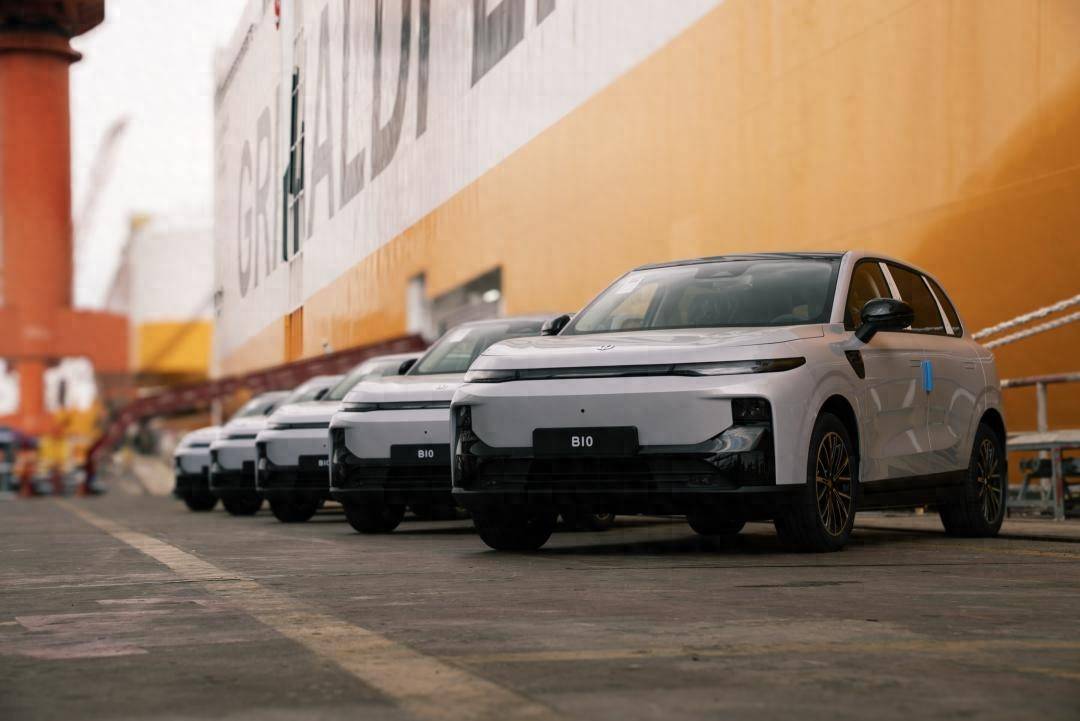
China has free trade agreements with both Chile and Peru, so most passenger cars enter at zero or near-zero duty. That is a real price advantage for buyers — provided the paperwork is right, or you pay standard rates anyway.
1. Working Out Your Landed Cost
| Item | Chile | Peru |
|---|---|---|
| Vehicle duty | Mostly 0 with a certificate of origin | Mostly 0 or very low |
| Ocean transit | Several weeks from main Chinese ports to the west coast | Similar, slightly longer routing |
| VAT | Charged on CIF plus duties | Charged on CIF plus duties |
| Clearance and port | Smooth release with consistent documents | Use a local customs broker |
| Registration and use | Left-hand drive; Chinese models fit directly | Left-hand drive; Chinese models fit directly |
2. Three Conditions for the Zero-Duty Rate
- Certificate of origin: your supplier must obtain and ship it. Without it, MFN rates apply and the difference can be substantial.
- Consistent documents: consignee, ports, quantities and values on the certificate must match the B/L and invoice exactly.
- Correct HS classification: FTA rates follow the code — a wrong code means overpaid duty or a hold at customs.
3. Five Things to Confirm Before Buying
- Is the quote a landed price? Ask for vehicle, freight, insurance and destination charges listed separately.
- Parts supply: find out where common parts ship from and how long they take — this drives your running cost.
- Warranty scope: confirm whether warranty applies locally, who honours it and how claims are filed.
- Standards and approvals: local technical, environmental and safety requirements still apply — agree who handles them.
- Charging (for EVs): charging networks vary widely across Chile and Peru — check your use case first.
Shunwei Auto tip: Chile has the world's densest FTA network and is among the friendliest South American markets for importers. For a first run, complete one full cycle in small batches before scaling.
Note: FTA rates are not locked forever. In long-term purchase contracts, write down how prices adjust if rates change.
Related Posts