In the first half of 2026, Chinese auto exports continued their strong growth trajectory. Facing profound changes in global trade patterns, tariff policy adjustments, and the rapid rise of emerging markets, what new trends will the second half bring? Based on industry data and market observations, this article provides forecasts and strategic recommendations for H2 2026.
1. H1 Review: Data Overview
| Metric | H1 2026 | YoY Growth |
|---|---|---|
| Total vehicle exports | ~3.2 million units | +18% |
| Passenger vehicle exports | ~2.7 million units | +22% |
| NEV exports | ~850,000 units | +35% |
| Commercial vehicle exports | ~500,000 units | +12% |
| Total export value | ~$58 billion | +20% |
2. Six Trend Predictions for H2
Trend 1: Russian Market Steady Growth
Despite ongoing Western sanctions, Russian auto market demand remains robust. Chinese brands have captured 60%+ of the Russian passenger vehicle market. H2 is expected to maintain stable growth, with annual imports potentially reaching 850,000-900,000 units. Key drivers: the gap left by Lada's insufficient capacity, the market vacuum from Japanese/Korean brand exits, and Russian consumers' growing acceptance of Chinese brands.
Forecast: H2 exports to Russia growth +15-20%
Trend 2: NEV Export Acceleration and Divergence
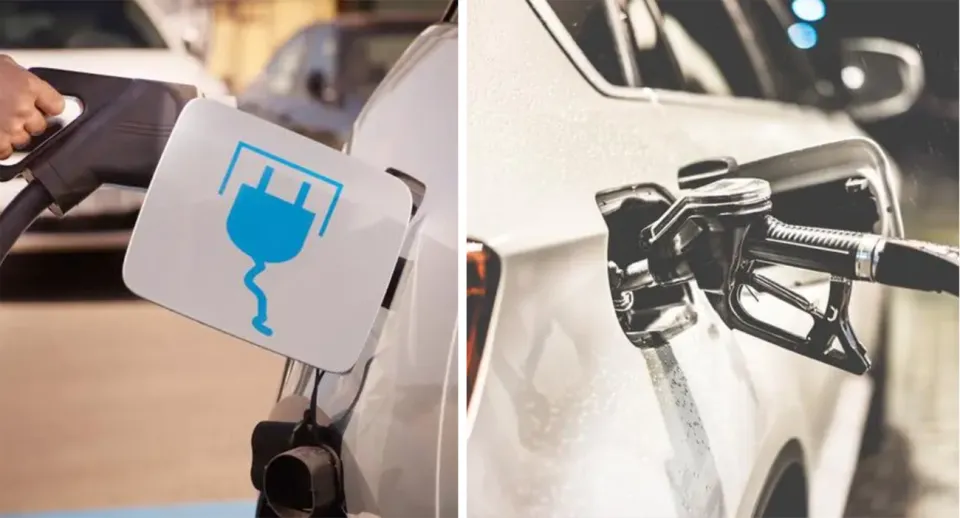
NEV exports will shift from "across-the-board growth" to "market divergence." European market growth slows due to anti-subsidy tariffs, but Southeast Asia, the Middle East, and Latin America will take over as new growth poles. Pure EVs grow strongly in tropical/subtropical markets, while PHEVs are more popular in cold regions (Russia, Northern Europe).
Forecast: H2 NEV export growth +28-35%, with PHEV growth outpacing BEV
Trend 3: Middle East Explosive Growth
Saudi Arabia's "Vision 2030" drives automotive electrification, and NEV policies are accelerating in the UAE, Qatar, and other Gulf states. Chinese brands are rapidly capturing Middle Eastern market share with value advantages and rich product lines. Saudi Arabia will become a TOP5 export destination in H2.
Forecast: H2 exports to Middle East growth +40-50%
Trend 4: Used Car Export Standardization
With further refinement of China's used car export policies and expansion of pilot cities, H2 will see surging used car exports. Target markets focus on Central Asia, Africa, and Southeast Asia, with 3-7 year-old mid-range sedans and SUVs as primary export models. Full-year used car exports are expected to exceed 150,000 units.
Forecast: H2 used car export growth +50-60%
Trend 5: Localization Cooperation Deepening
More Chinese brands are shifting from "pure export" to "export + localization." KD (knock-down) assembly cooperation is accelerating in Russia, Egypt, Pakistan, and other countries. This model both circumvents some tariff barriers and meets host-country localization requirements. More projects will commence production in H2.
Forecast: 8-12 new KD cooperation projects in H2
Trend 6: Rising Tariff & Trade Friction Risks
EU anti-subsidy duties are officially implemented, and some countries may follow suit. Turkey, Brazil, and others are strengthening tariff protection measures. Exporters need to pay greater attention to trade compliance, diversify markets in advance, and avoid over-reliance on any single market.
Forecast: H2 trade friction incidents +30%, requiring close attention
3. Regional Market Outlook
| Region | H2 Forecast Growth | Key Watchpoints |
|---|---|---|
| Russia & CIS | +15-20% | Dominant position solidifies, KD projects accelerate |
| Middle East (Saudi/UAE) | +40-50% | NEV policy-driven, luxury demand growing |
| Southeast Asia | +25-30% | Indonesia/Thailand/Vietnam all driving growth |
| Central Asia | +30-40% | Kazakhstan/Uzbekistan demand strong |
| Africa | +20-25% | Nigeria/South Africa/Egypt leading |
| Latin America | +15-20% | Brazil tariff adjustments cause short-term fluctuation |
| Europe | -5~0% | Anti-subsidy duties persist, growth slows |
4. Strategic Recommendations for Overseas Buyers
- Lock in orders early: Peak season (Sep-Dec) means tight shipping capacity — order in Aug-Sep
- Watch tariff windows: Some countries have transition periods — capturing them saves 5-15%
- Diversify model selection: Don't focus on a single model — multi-model portfolios spread supply chain risk
- Balance NEV vs. ICE mix: Adjust procurement ratios flexibly based on target market policies
- Consider KD cooperation: Buyers purchasing 500+ units/year should evaluate local assembly economics
- Lock exchange rates: RMB fluctuations may affect procurement costs — negotiate rate-lock clauses with suppliers
5. Shunwei Auto's Response Strategy
- Forward inventory: Pre-stock popular models to shorten peak-season delivery cycles
- Diversified routes: Add Middle East direct shipping and Central Asia rail routes to reduce single-route dependence
- Compliance team expansion: Strengthen tariff policy research, provide real-time compliance consulting
- Financial tool upgrades: Launch rate-lock, forward L/C, and other financial solutions to help clients manage risk
- KD project support: Provide KD solution consulting and supply chain matchmaking for large-scale buyers
In H2 2026, the Chinese auto export market presents both opportunities and challenges. For overseas buyers, choosing an export partner with foresight, adaptability, and a global network is more important than ever. Shunwei Auto will continue to be data-driven and customer-focused, helping you find certainty in a changing market.
Related Posts