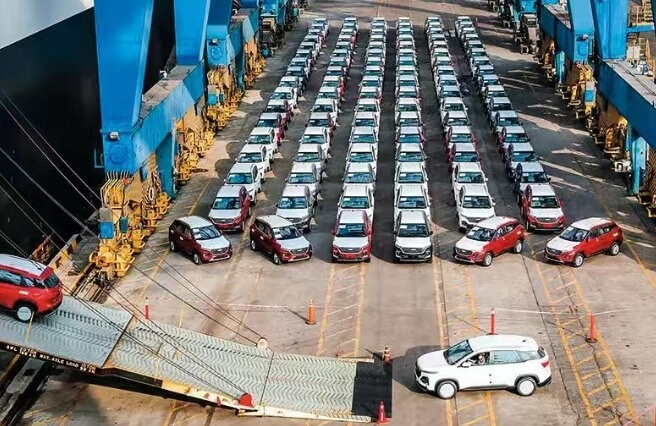
Southeast Asia is one of the world's fastest-growing auto markets and a critical battleground for Chinese automakers going global. In 2026, with deeper RCEP implementation and accelerating NEV transition, the region will enter a new growth cycle.
1. Market Overview
2026 Market Forecast
| Country | 2025 Sales | 2026 Forecast | Growth | NEV Penetration |
|---|---|---|---|---|
| Thailand | 820,000 | 880,000 | +7.3% | 18% |
| Indonesia | 1,050,000 | 1,120,000 | +6.7% | 8% |
| Malaysia | 780,000 | 830,000 | +6.4% | 15% |
| Vietnam | 420,000 | 460,000 | +9.5% | 6% |
| Philippines | 380,000 | 420,000 | +10.5% | 4% |
| Singapore | 110,000 | 115,000 | +4.5% | 22% |
| Total | 3,560,000 | 3,825,000 | +7.4% | 12% |
Key drivers: RCEP tariff reductions, NEV policy incentives, infrastructure improvements, young demographic dividend.
2. Key Market Analysis
Thailand — Southeast Asia's NEV Hub
- NEV sales to exceed 160,000 units, 18% penetration
- EV 3.5 policy: subsidies up to 100,000 THB per vehicle
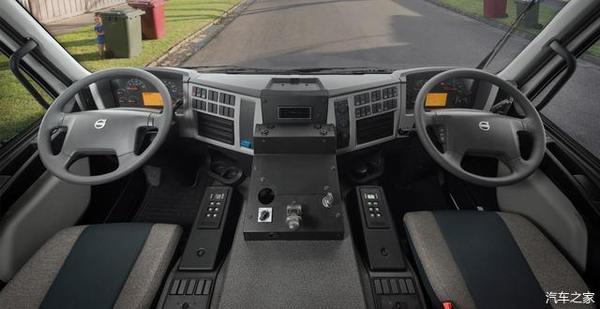
- Right-hand drive market; pickups account for ~40%
- Chinese brands: BYD (35% share), Great Wall, Neta, Changan, MG
Indonesia — Largest Single Market
- Total sales forecast: 1.12 million units
- PPnBM luxury tax reduction for EVs
- Left-hand drive market (same as China)
- Import tariffs up to 200% — CKD/SKD required
- Chinese brands: Wuling (NEV leader), BYD, Chery, Changan
Malaysia — Sustained Policy Tailwinds
- Full tax exemption for NEVs
- Strong brand consciousness, but rapid Chinese brand acceptance
- Proton (Geely-controlled) holds ~22% market share
Vietnam — Emerging Growth Pole
- Sales growth forecast: 9.5%
- VinFast dominates NEV, but Chinese brands competitive in budget segment
- Strong motorcycle culture — micro EVs have unique opportunity
3. Market Entry Models
| Model | Advantages | Disadvantages | Best For |
|---|---|---|---|
| CBU (Complete Built-Up) | Fast launch, low investment | High tariffs | Market testing |
| CKD (Completely Knocked Down) | Low tariffs, policy benefits | Large investment | Scale stage |
| SKD (Semi-Knocked Down) | Flexible | Limited localization | Transition phase |
| Joint Venture / Acquisition | Access to local resources | Complex management | Deep expansion |
4. Shipping Routes
- China → Thailand: 7–10 days by sea (Shanghai/Shenzhen → Laem Chabang)
- China → Indonesia: 10–14 days (Shanghai/Guangzhou → Jakarta)
- China → Malaysia: 7–12 days (Shenzhen → Port Klang)
- China → Philippines: 5–8 days (Xiamen/Shenzhen → Manila)
5. Risk Alerts
- Policy risk: NEV subsidies may be adjusted
- Currency risk: Southeast Asian currencies are volatile
- Competition risk: Japanese brands have deep roots
- Cultural risk: significant differences between countries require localization
Shunwei Auto specializes in Southeast Asian auto export services, providing one-stop solutions from vehicle selection and certification to logistics. Contact us for a customized market entry plan.
Related Posts