South Asia has over 1.8 billion people and car ownership far below the global average, making it one of the most promising growth markets. The barriers are equally clear: right-hand drive, high duties, FX controls and shifting import rules. Understanding the rules is the entry ticket.
1. Three Key Markets
| Country | Market traits | Main barriers |
|---|---|---|
| Pakistan | RHD; mature local assembly, concentrated brands | High duties, strict FX approval |
| Bangladesh | RHD; strong used-vehicle and commercial demand | Age limits, import quotas, FX |
| Sri Lanka | RHD; import policy tightened and eased repeatedly | LC and FX availability |
Shared traits: RHD, tight FX and fast-moving policy. Miss any one and your order sits at the port.
2. What Works
- CBU plus local assembly: test with complete vehicles while talking to local assemblers about KD kits to cut total tax load.
- Partner with large local traders: imports run through licensed local importers; the right partner beats more trade shows.
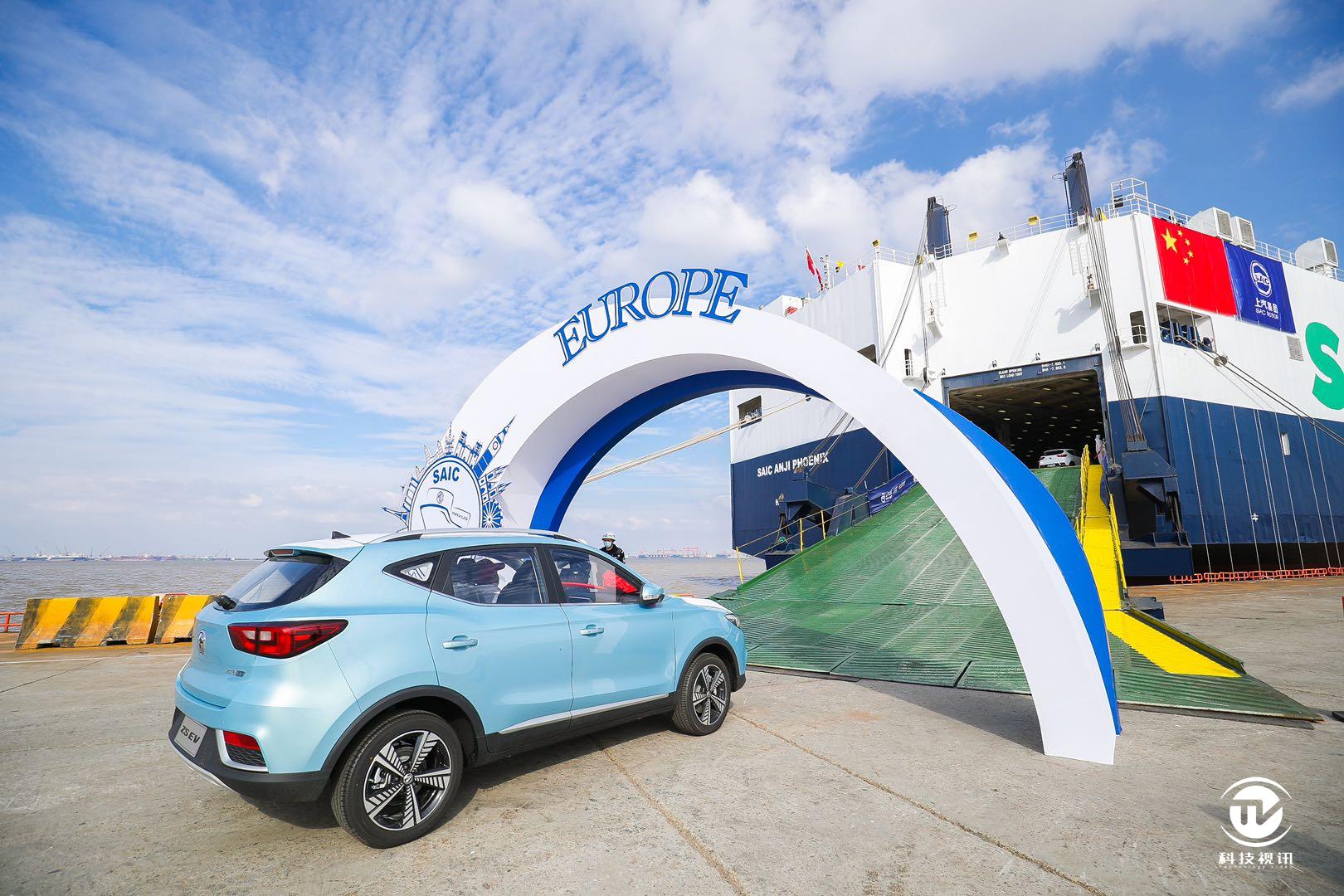
- Watch the new-energy window: some countries offer duty or tax breaks for EVs — currently the easiest entry segment.
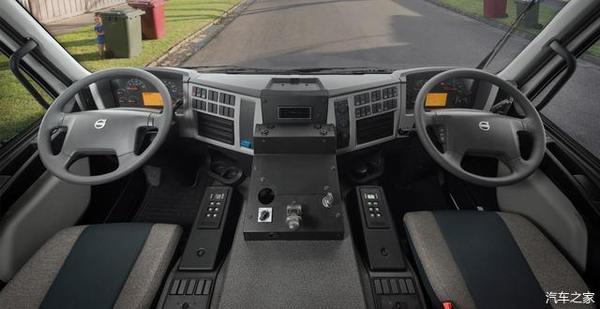
- Prepare an RHD model list: without RHD you give up more than half of passenger-car demand.
- Prioritize prepayment: when FX is tight even LCs slip; orders with advance payment are the good ones.
3. Risk Notes
- FX and quotas: buyers can only remit once they have allocation — build this uncertainty into delivery promises.
- Policy shifts: duties and import permits can change within weeks; write the adjustment mechanism into the contract.
- Service reach: slow parts supply damages reputation fast — plan service for remote regions early.
Shunwei Auto tip: Start with a small prepaid trial order and run the full cycle — clearance, registration, aftersales — before discussing exclusivity or large volumes. South Asia rewards patience and cash flow.
Watch out: RHD changes the model definition completely. Confirm steering position and regulatory version with the customer before discussing spec and price.
Related Posts