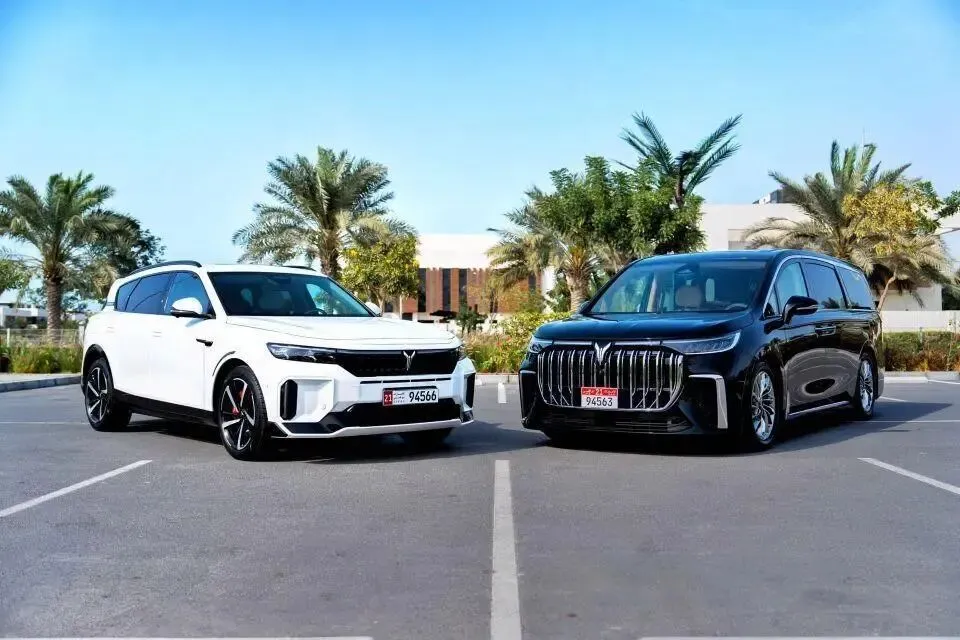
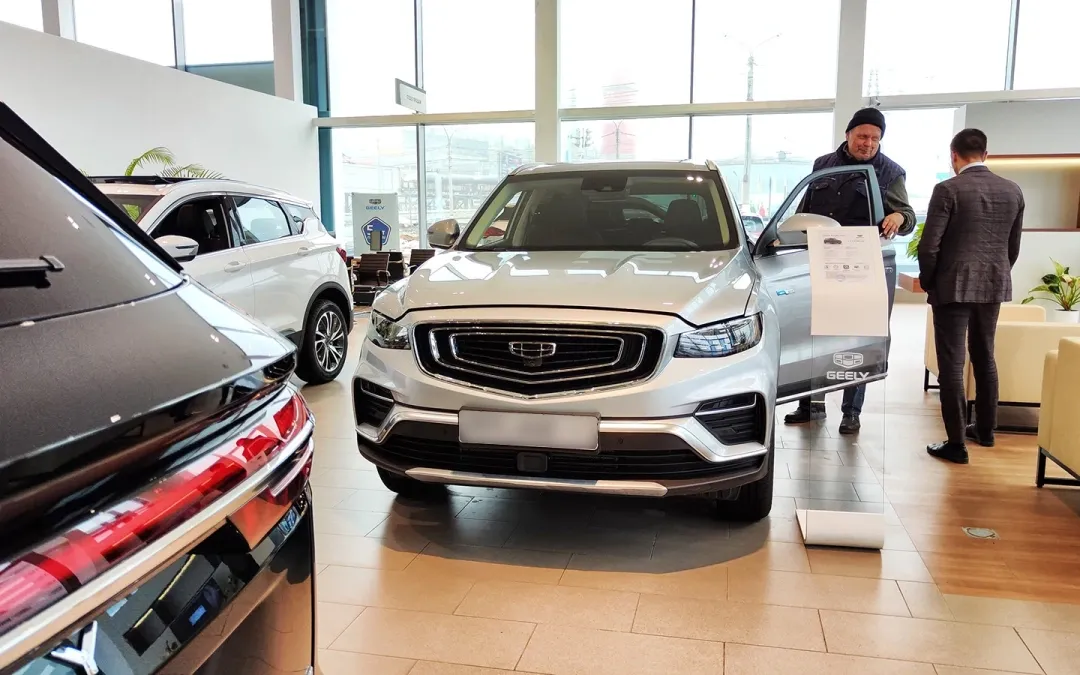
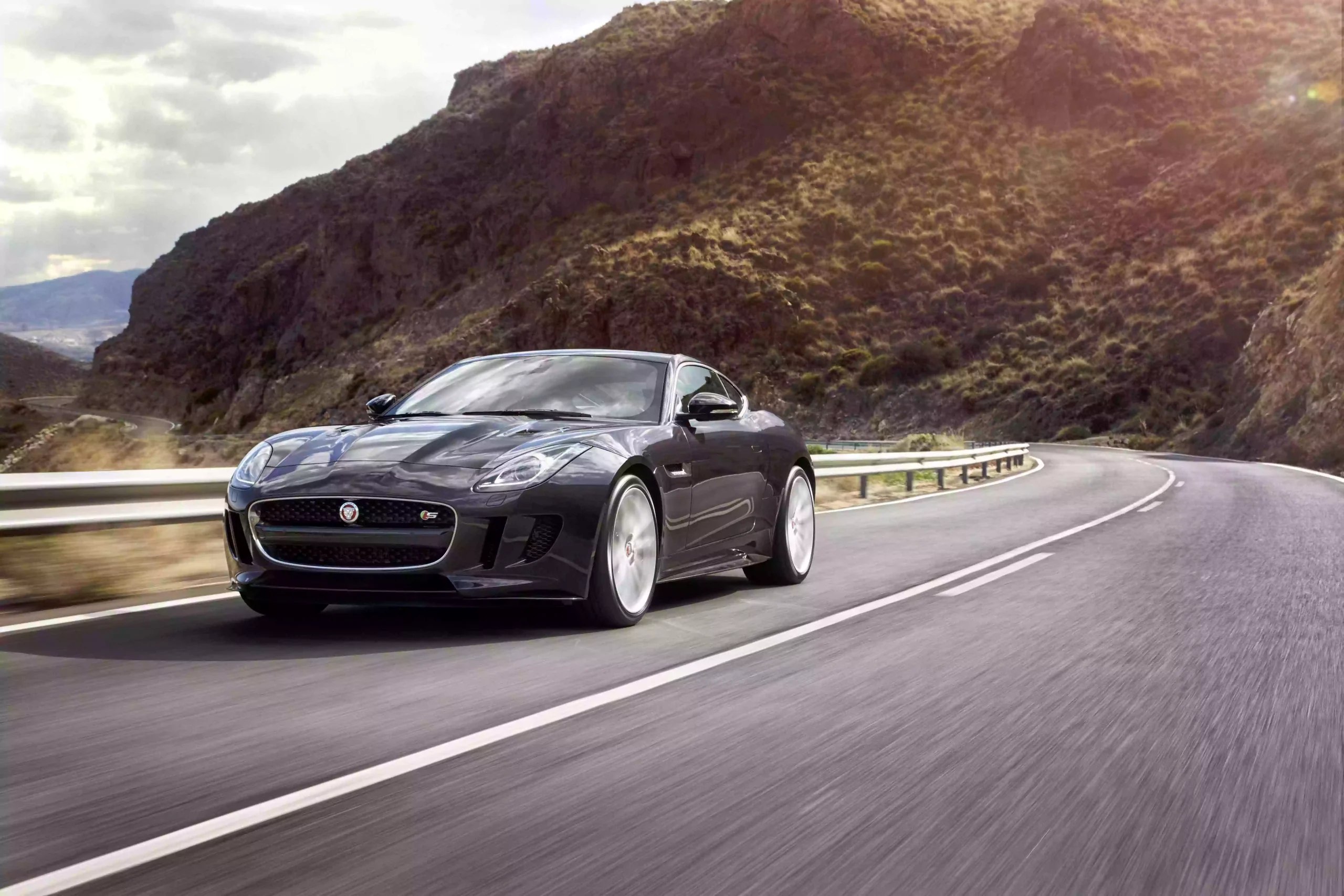
Faced with four powertrain types — gasoline (ICE), hybrid electric (HEV), plug-in hybrid (PHEV), and battery electric (BEV) — many overseas buyers feel confused when choosing. Each powertrain has its advantages and limitations; there is no "best," only "most suitable." This article helps you make an informed decision from four dimensions: usage scenarios, cost structure, infrastructure, and policy environment.
1. Four Powertrain Types Overview
| Dimension | ICE | HEV | PHEV | BEV |
|---|---|---|---|---|
| Power Source | Gasoline/Diesel only | Gasoline + motor assist | Gasoline + external charging | Battery + motor only |
| Charging Needed | No | No | Yes (optional) | Yes (mandatory) |
| Range | 500-900km | 600-1000km | 800-1200km | 400-700km |
| Fuel/Energy Consumption | 7-10L/100km | 4.5-6L/100km | 1.5-5L/100km (depleted) | 15-20kWh/100km |
| Purchase Cost | Lowest | Lower | Medium | Higher |
| Operating Cost | Highest | Lower | Lowest | Very Low |
| Maintenance Cost | Medium | Medium | Medium | Lowest |
| Environmental Impact | Worst | Better | Good | Best |
2. Gasoline (ICE): The Safest Conservative Choice
Best for: Regions with poor charging infrastructure, users with high long-distance driving needs, buyers with conservative attitudes toward new technology.
Core Advantages:
- Zero range anxiety — refuel anywhere
- Mature mechanical design, extensive repair network
- Lowest purchase cost, relatively stable resale value
- Not affected by battery degradation, stable long-term value
Main Disadvantages: Highest fuel costs; increasingly strict emission standards may lead to restrictions or additional taxes in some countries.
Shunwei Auto Recommended ICE Models: Chery Tiggo 7 (from ¥79,900), Haval H6 (from ¥121,900), Changan CS75 PLUS (from ¥131,900)
3. Hybrid Electric (HEV): Fuel-Saver Without Charging
Best for: Urban commuters without charging access who want lower fuel consumption, buyers who value reliability and don't want to change usage habits.
Core Advantages:
- No charging station needed — identical usage to gasoline cars
- Urban fuel consumption 30%-40% lower than equivalent gasoline models
- Long battery life (no frequent charge/discharge cycles), low maintenance costs
- Motor-driven low-speed driving — smooth and quiet
Main Disadvantages: Purchase cost about ¥20,000-30,000 higher than gasoline version; fuel savings limited at highway speeds.
Shunwei Auto Recommended HEV Models: Toyota Camry Hybrid (from ¥194,800), Toyota Wildlander Hybrid (from ¥147,800)
4. Plug-in Hybrid (PHEV): The All-Rounder
Best for: Urban users with home charging + occasional long-distance travel, buyers in countries with PHEV policy incentives.
Core Advantages:
- Short-distance commuting in pure electric mode — extremely low cost (~¥0.10/km)
- Long-distance travel on gasoline — no range anxiety
- Combined range can exceed 1,000km
- Depleted-battery fuel consumption still lower than pure gasoline
- NEV policy incentives in most countries (tax exemption, no driving restrictions, etc.)
Main Disadvantages: Requires charging to maximize benefits; carries two powertrains, heavier curb weight.
Shunwei Auto Recommended PHEV Models: Contact our sales managers for the latest PHEV model list and quotes
5. Battery Electric (BEV): The Future-Ready Solution
Best for: Urban users with good charging infrastructure, environmentally conscious fleet buyers, markets with substantial BEV subsidies.
Core Advantages:
- Lowest operating cost — only ¥0.05-0.10/km (residential electricity)
- Zero emissions — purchase subsidies, tax exemption, no driving restrictions in most countries
- Minimal maintenance — no oil or filter changes, maintenance cost only 1/3 of gasoline
- Excellent acceleration, quiet and smooth driving experience
- Typically richer advanced driver assistance features
Main Disadvantages: Higher purchase cost; range affected by cold temperatures (30%-40% drop in winter); charging takes longer than refueling; battery degradation affects resale value.
Shunwei Auto Recommended BEV Models: Lingshi Electric Truck (commercial BEV), multiple mainstream Chinese brand BEV SUVs/sedans — contact us
6. Best Choices for Different Scenarios
Scenario 1: Russian Urban Commuting (Winter -25°C, no home charger)
Best Choice: ICE or HEV. Extreme cold severely degrades battery performance, and no charging access. We recommend gasoline Chery Tiggo 7 or HEV Toyota Camry for reliable winter performance.
Scenario 2: Dubai Urban + Intercity (Summer 50°C, growing charging network)
Best Choice: HEV or PHEV. High temperatures challenge battery longevity; HEV is safer. With charging access, PHEV balances low commuting cost and long-distance freedom.
Scenario 3: Southeast Asian Urban Delivery (Limited chargers, 200km/day)
Best Choice: BEV (Commercial). Like the Lingshi Electric Truck — fixed routes enable charging planning, operating cost only 1/5 of gasoline. Requires fast-charging access.
Scenario 4: Central Asian Intercity Transport (Long distance, no charging)
Best Choice: ICE. Long distances, heavy loads, no charging infrastructure — gasoline is the only reliable choice. We recommend Haval H6 or Changan CS75 PLUS.
Scenario 5: European Urban Commuting (Dense chargers, LEZ zones)
Best Choice: BEV or PHEV. European Low Emission Zones restrict gasoline vehicles; BEV and PHEV have free access. Dense charging infrastructure makes BEV extremely cost-effective.
7. Decision Framework
- Do you have home or office charging access? → No: Consider ICE or HEV | Yes: Continue
- Does your region's winter temperature drop below -20°C? → Yes: Prioritize PHEV (can rely on gasoline in winter) | No: Continue
- Is your daily commute within 200km? → Yes: BEV is the best choice | No: PHEV balances commuting and long-distance
- Does your country offer BEV policy incentives? → Yes: BEV value proposition improves further | No: PHEV may be the more pragmatic choice
Conclusion
There is no standard answer for choosing a powertrain — the key is matching your actual usage scenario and local infrastructure conditions. Shunwei Auto's sales managers can recommend the most suitable powertrain type and model based on your specific needs — country, driving environment, budget, and preferences. Contact us for personalized advice.
Related Posts