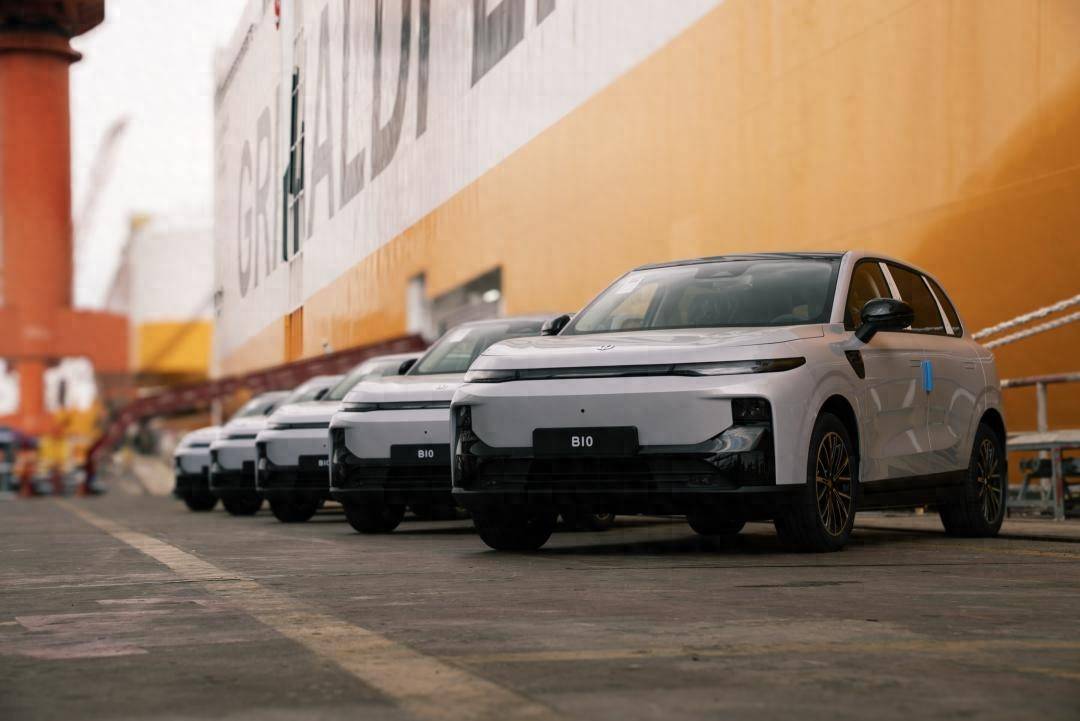
As Chinese EVs from BYD, Chery, and MG flood overseas markets, a top buyer concern is: "Can Chinese-made EVs charge on our country's charging stations?" The answer is yes, in most cases, but understanding charging standard differences is essential. This guide explains global charging standards, compatibility issues, and solutions.
1. Global Charging Standards Comparison
| Standard | Connector | Main Regions | Chinese Export Compatibility |
|---|---|---|---|
| GB/T (China) | GB/T 20234 | Mainland China | Native |
| CCS Combo 2 (Europe) | Type 2 + DC | Europe, ME, Australia | Export standard |
| CCS Combo 1 (NA) | Type 1 + DC | USA, Canada | Special order |
| CHAdeMO | CHAdeMO | Japan, parts of SE Asia | Some models |
| Tesla Supercharger | NACS / CCS2 | Global (partially open) | Not compatible (adapter needed) |
2. Charging Port Configuration on Chinese Export EVs
Chinese automakers configure charging ports specifically for export markets:
- BYD — Export models standard with CCS2 (Europe/Australia), also CCS2 for Middle East and SE Asia. Atto 3, Seal, Dolphin all adapted.
- MG (SAIC) — Export models standard with CCS2. MG4 fully compatible with European networks. Supports 11kW AC and 150kW DC.
- Chery/Exeed — Russia and Middle East export versions equipped with CCS2. Some Russia versions include GB/T-to-CCS2 adapters.
- Great Wall/Ora — Export Funky Cat standard with CCS2, fully compatible in Europe and Thailand.
3. Destination Market Compatibility
Russia & EAEU
Russian charging stations primarily use CCS2 and CHAdeMO. Chinese export EVs (CCS2) can use the vast majority of public chargers. As of 2026, Russia has ~4,500 public charging points, concentrated in Moscow, St. Petersburg, and the Far East.
Europe
Europe uses CCS2 exclusively (Type 2 AC + CCS2 DC) — the core market for Chinese export EVs. Extensive charging networks from Ionity, Fastned, EnBW are all CCS2-compatible. Chinese EVs charge seamlessly in Europe.
Middle East & SE Asia
Middle East (Saudi Arabia, UAE) and SE Asia (Thailand, Indonesia) primarily use CCS2. Infrastructure is rapidly expanding. Chinese brand EVs in these markets all use CCS2 — fully compatible.
Latin America
Latin American standards vary: Brazil mainly CCS2, Mexico mainly CCS1, Chile and Colombia mixed CCS1/CCS2. Confirm the correct charging port version for your destination country when ordering.
4. Charging Speed & Compatibility Notes
| Type | Power | Full Charge | Compatibility Notes |
|---|---|---|---|
| AC Slow | 7-22 kW | 6-12 hours | Verify 3-phase support |
| DC Fast | 50-150 kW | 30-60 minutes | CCS2 widely compatible |
| Ultra-fast | 150-350 kW | 15-30 minutes | Limited by vehicle max acceptance |
5. Buyer FAQ
Q&A:
- Q: Can a domestic GB/T EV be converted to CCS2?
A: Technically yes, costs ~$300-700, but may void warranty. Better to buy the export version directly. - Q: Are export and domestic batteries the same?
A: Battery cells are identical, but BMS software may be adjusted for local regulations and climate. - Q: Does charging slow down in Russian winters?
A: Cold temperatures reduce charging speed by 30-50%. Choose models with battery preheating. - Q: Can I use a household outlet?
A: Yes, with a portable charger (~2-3kW), but 20+ hours for full charge. Home wallbox recommended.
6. Conclusion
Chinese export EVs are highly mature in charging compatibility — CCS2 covers Europe, Russia, Middle East, SE Asia, and most export destinations. Buyers simply need to confirm the correct charging port for their country. All Shunwei Auto export EVs are guaranteed to match destination country standards. Contact www.shunweiauto.com for details.
Related Posts