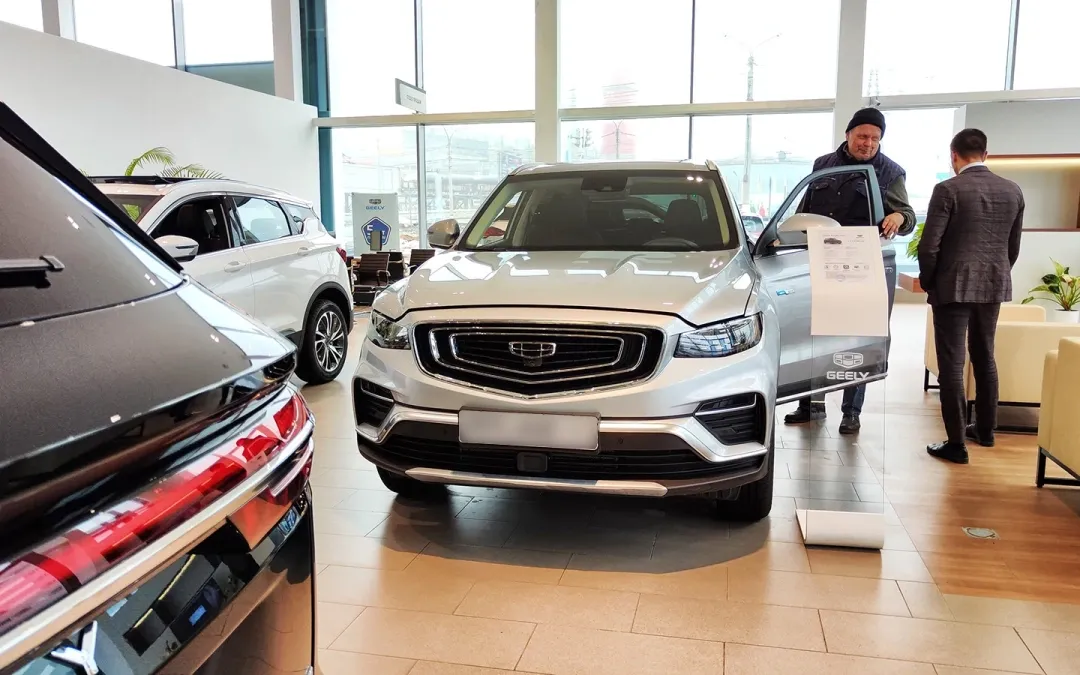
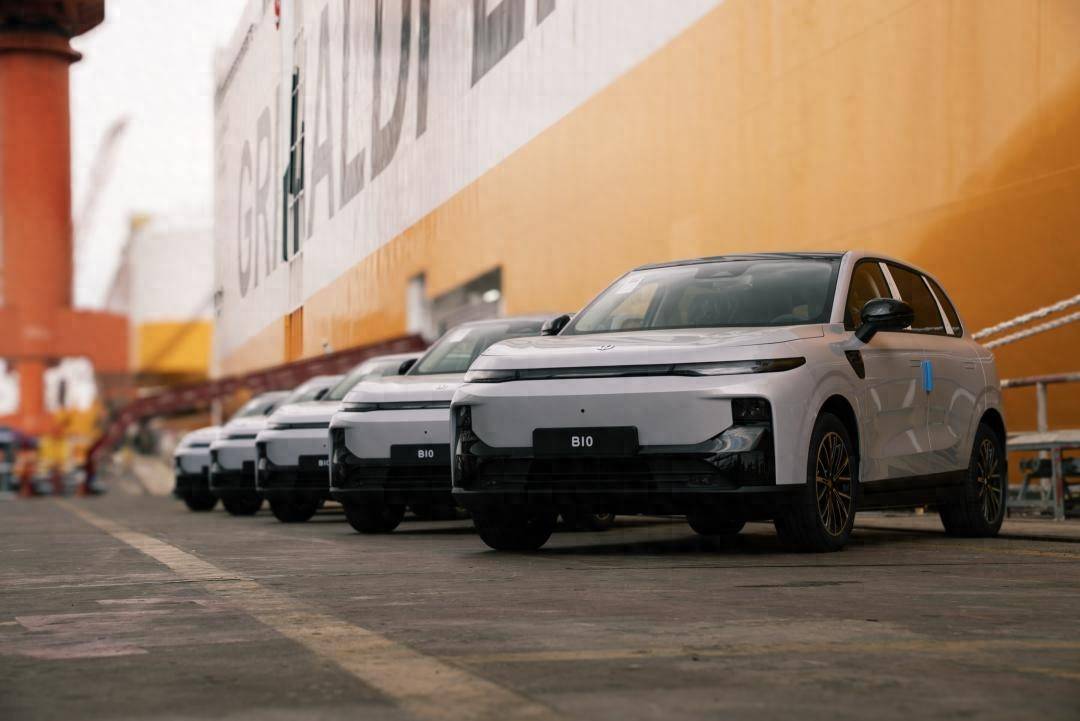
The number that matters most when buying is not the purchase price — it is how much you lose when you sell three years later. Resale value defines your true cost of ownership. Here is the buyer's view on Chinese cars abroad.
1. Four Factors That Move Resale Value
| Factor | Effect on value |
|---|---|
| Local fleet size | The more of your model on the road, the easier it resells |
| Parts and repair access | Easy parts and quick repairs give buyers confidence |
| Brand recognition | Unknown brands take deeper discounts |
| New-car price stability | Frequent new-car discounts crash used prices |
2. Reality: It Varies Sharply by Market
- Markets with volume do better: in Russia and the Middle East, where Chinese brands sell in numbers, mainstream models have narrowed their discount versus earlier years.
- Popular models beat niche ones: high-volume, well-reviewed SUVs circulate fast and hold firmer prices.
- EVs follow different logic: battery health replaces mileage as the valuation core — cars with a battery report sell noticeably better.
- Emerging markets discount deeper: where fleets are small and service is thin, used buyers are more cautious.
3. How to Buy So You Lose Less
- Pick mainstream models with local volume: don't be the first mover unless the price is good enough.
- Choose mid-spec over top-spec: top-trim premiums rarely come back on resale.
- Confirm warranty is transferable: warranty that follows the car makes resale easier to price.
- For EVs, get the battery health report: that report becomes your pricing evidence at resale.
- Pick neutral colors: black, white, grey and silver resell fastest; statement colors discount quickly.
Shunwei Auto tip: Ask your supplier for local used-transaction references for the same model. Real transaction data persuades far better than any promise.
Note: Treat any specific residual figure a supplier quotes with caution. Residuals move with the market — plan around expected depreciation instead.
Related Posts