The HS code on a customs declaration looks like just a number, yet it drives rebate rates, regulatory requirements, destination duties and statistics alike. Misclassification delays rebates at best and counts as false declaration at worst. Here's how to classify cars and related goods.
1. Classification Framework
| Goods | Key logic | Common mistakes |
|---|---|---|
| Passenger cars | Split by displacement / motor power | EV and ICE codes differ |
| Trucks / pickups | By payload and cab type | Pickup classification varies by country |
| Traction batteries | Lithium batteries have their own codes | On-board vs standalone differ |
| Parts | Classify by function (body/chassis/electronics) | Vague mixed-part declarations draw scrutiny |
2. What Misclassification Costs
- Rebate drift: Different codes carry different rebate rates; over-claimed amounts must be paid back.
- Missing licenses: Some codes require permits — the wrong code means missing paperwork.
- Destination trouble: Buyers clear customs using your codes; mismatches mean seized goods and back duties abroad.
3. Practical Advice
- Advance rulings: For uncertain items, apply for a binding classification ruling from customs.
- Stay consistent: Fix each model's code from the first declaration on — a consistent history is your best defense in audits.
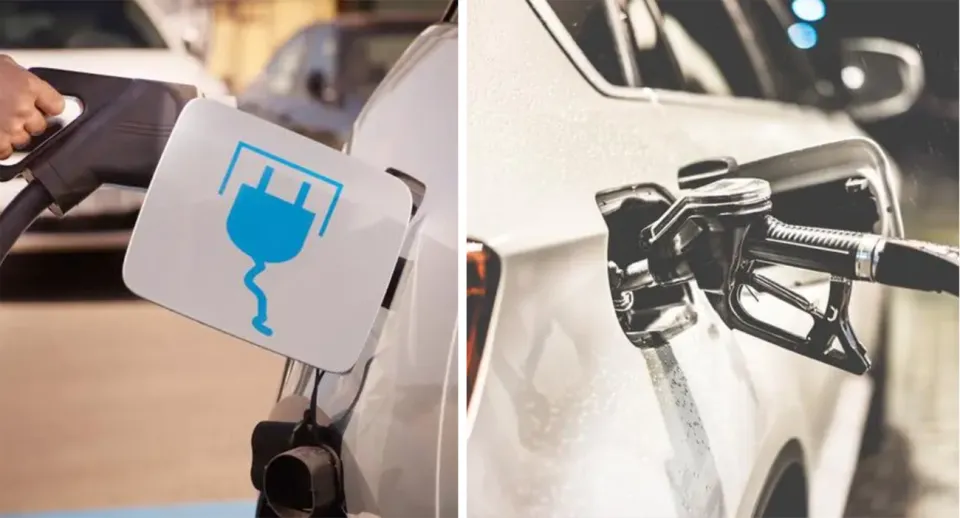
- Mind EV rules: EVs classify by motor power, ICE cars by displacement — recheck when switching categories.
- Align with buyers: Provide accurate codes and declaration elements so buyers clear smoothly abroad.
Shunwei Auto tip: Keep a classification ledger: every model/part mapped to its code, declaration elements and past entry numbers. It's a cheat sheet when changing brokers or ports — and the standard answer in audits.
Note: Codes get revised with tariff schedules (especially EV-related) — revalidate your common codes once a year.
Related Posts